Introduction
California’s initiative to provide e-bikes to residents faced significant obstacles, including website glitches and funding reallocations. This effort aimed to offer a sustainable transportation alternative as a part of the state’s broader environmental goals, but it ultimately fell short of expectations.
Program Overview and Challenges
The electric bicycle incentive program, launched with the intent to encourage cycling as a greener alternative to car travel, offered substantial subsidies to reduce the cost of e-bikes. With some bicycles priced well over a thousand dollars, the state aimed to make these vehicles accessible through generous vouchers, which could cover up to $2,000 of the purchase price.
Initially met with enthusiasm, the program quickly became a victim of its own popularity. The demand for vouchers exceeded the availability, leading to significant website malfunctions. The application platform struggled under heavy traffic, with numerous applicants encountering technical errors that prevented them from successfully applying for the funds. Ultimately, the program was prematurely shut down, disappointing many and leaving only a limited number of vouchers issued.
As of the program’s conclusion, approximately 2,300 residents had successfully secured vouchers, utilizing the funds to purchase e-bikes. However, in response to the overwhelming requests and technical issues, the state decided to divert $18 million—initially allocated for the e-bike initiative—toward incentives for electric cars. This shift was met with criticism from cycling advocates who felt the funds should have remained dedicated to promoting e-bike accessibility.
Impact on the Community and Future Considerations
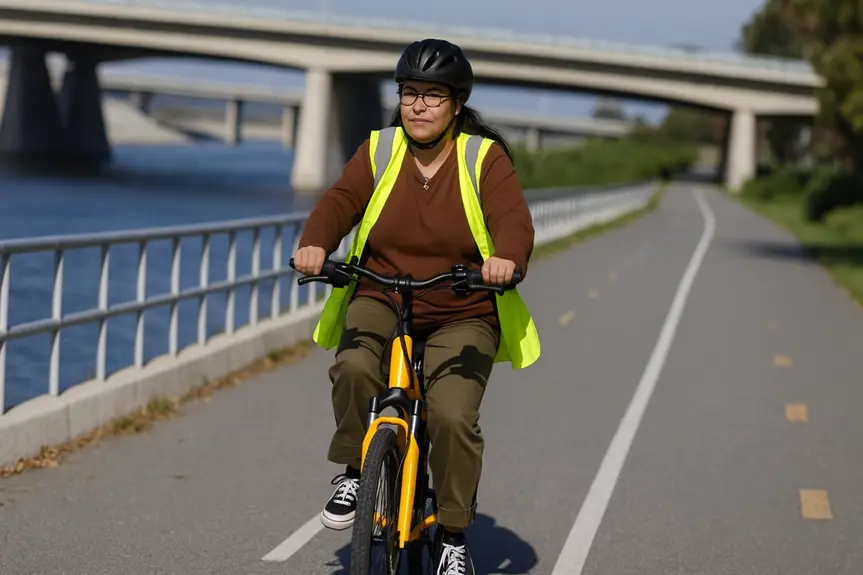
For individuals like Briana Villaverde, a successful voucher recipient, the program represented a remarkable opportunity to obtain an affordable e-bike, significantly enhancing her daily commute. Villaverde noted that her e-bike provided not only a means of transportation but also an engaging way to connect with her surroundings and benefit her mental health.
The conclusion of the e-bike voucher program has raised questions about the state’s commitment to cycling as a viable form of transportation. Advocates argue that funding e-bikes offers a more cost-effective solution to reducing carbon emissions compared to electric vehicles, which often come with higher price tags and additional barriers to access for lower-income families.
Moving forward, officials from the California Air Resources Board (CARB) have indicated the potential for a revival of the e-bike incentive program, contingent upon securing new funding. There is a consensus among advocates and policymakers that while electric vehicles play a crucial role in reducing emissions, cycling provides both environmental benefits and enhances public health through physical activity.
As California navigates its ambitious environmental goals, stakeholders remain hopeful for a renewed effort to promote e-bikes as a key element of sustainable transportation.