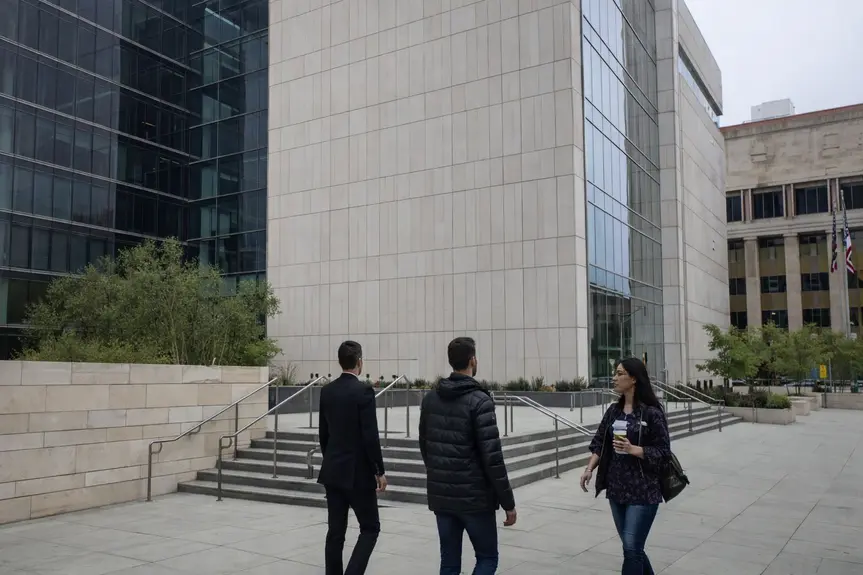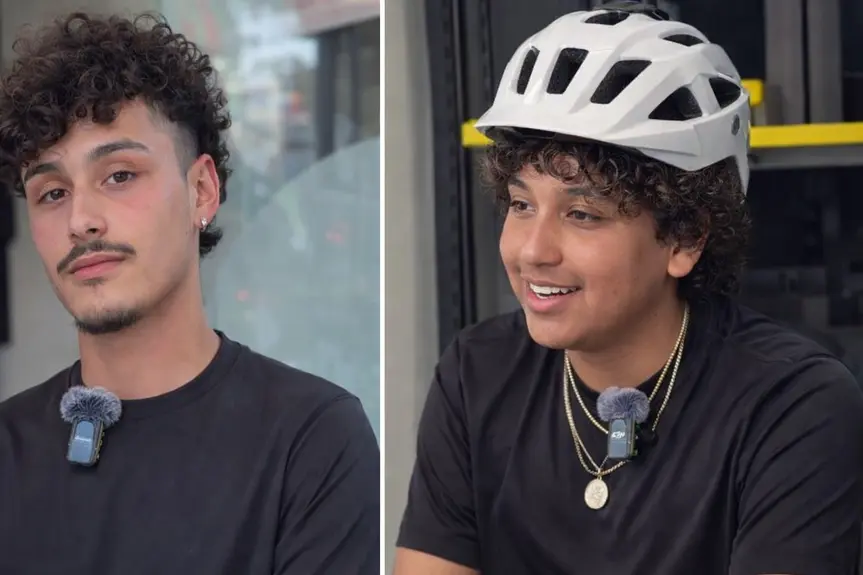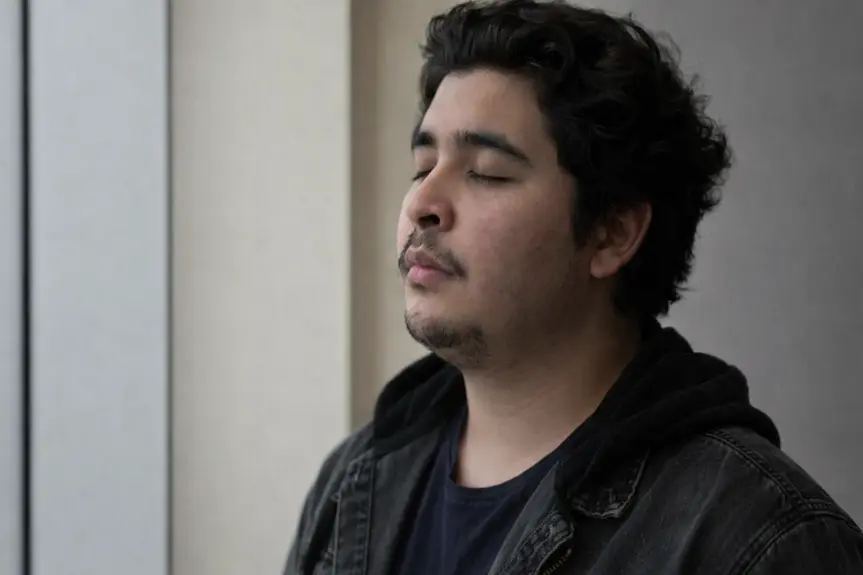
A 23-year-old protester, Jesus Javier Islas, is taking legal action against the Los Angeles Police Department (LAPD), claiming that he was blinded in one eye during a demonstration against immigration enforcement. The incident occurred earlier this year on January 31, when Islas participated in a rally near the Metropolitan Detention Center.
According to Islas, as he was protesting, an officer allegedly shot him in the face with a less-lethal projectile that left bright green paint on his face and clothing. Footage captured the moment he was struck, showing an explosion of color and Islas stumbling back in pain. The video shows no signs of conflict between the police and demonstrators at the time of the injury.
Medical Fallout and Legal Action
Following the incident, Islas was rushed to L.A. County-USC Medical Center, where doctors informed him that he would lose vision in his right eye permanently. He and his attorney, Jamal Tooson, have expressed outrage, noting that police did not provide assistance at the scene. Tooson asserted, “My client was doing nothing wrong. He was posing zero threat to anyone. And in a moment, LAPD has shattered his life.” The legal claim filed seeks a staggering $100 million in damages.
Although the footage does not clearly show the officer responsible for firing the projectile, Tooson is confident that it was an LAPD officer based on his investigation. He highlighted the police’s practice of using paint-marking projectiles to identify protesters for future arrests.
An LAPD representative declined to comment on the ongoing legal proceedings but acknowledged in a recent report that officers had deployed foam baton rounds and a weapon known as the FN 303 against protesters that night. The police alleged that the demonstrators had engaged in vandalism and violence, such as throwing rocks and fireworks, justifying the use of force.
Implications of Crowd-Control Tactics
The FN 303, manufactured to deliver blunt force trauma, can shoot rounds that also mark protesters with paint, and this particular tactic has come under scrutiny. U.S. District Judge Consuelo Marshall recently granted a motion by Black Lives Matter-Los Angeles calling for a ban on the use of 40-millimeter less-lethal launchers for crowd control purposes.
Islas, who has autism, insists he was simply present at the protest to support a friend and had been there for less than ten minutes before he was shot. This incident, he states, has severely impacted his life, preventing him from continuing his passion for cycling and other activities. He openly expressed his feelings of betrayal by law enforcement, stating, “I really started despising law enforcement after that. I was like, these … cowards, they took my eye.”
The LAPD’s use of force has faced ongoing criticism, especially regarding its crowd-control methods, which have sparked concern among community leaders and advocates. Two weeks prior to Islas’ injury, a federal judge had already restricted the use of certain crowd-control weapons by the LAPD, citing previous violations of established protocols.
Civil rights attorney Peter Bibring, who has previously litigated against the LAPD, mentioned that any projectile aimed at a demonstrator’s head constitutes a use of lethal force. He underscored that nothing in the video suggested Islas or anyone else posed a threat. Bibring also expressed concern over the LAPD’s approach, cautioning that labeling weapons as “less lethal” can lead to excessive force being employed in situations that normally would not justify it.
Sadly, Islas is not alone in suffering severe consequences from police actions during protests. Reports indicate that other anti-ICE demonstrators have also experienced partial or complete blindness after confrontations with law enforcement this year. Tooson criticized the escalating use of force, stating, “Unjustifiable. Injustice. I don’t think any of those are strong enough words. To use this level of force, when they’ve already been sued for this in the past, it’s just insane.”