Confronting the Coastal Crisis
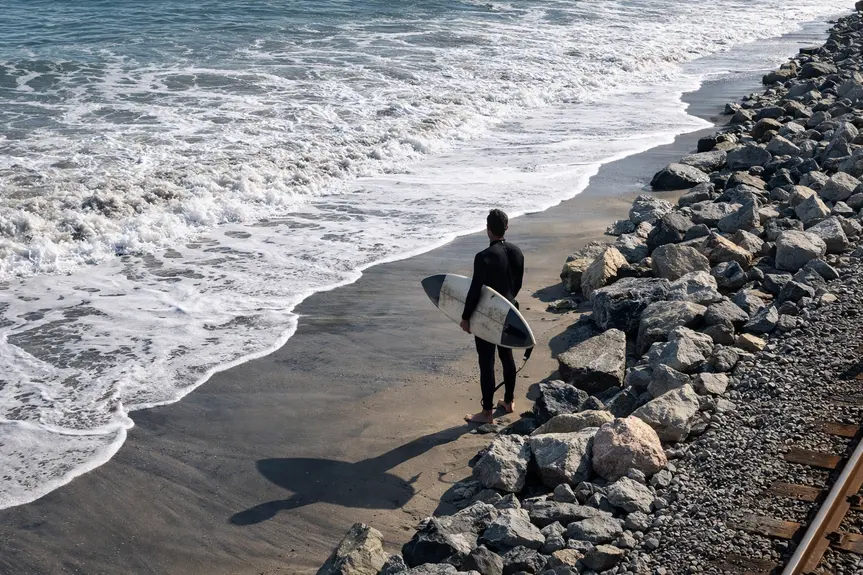
San Clemente is gearing up for a significant sand replenishment initiative aimed at safeguarding its coastal railway, which has been under increasing threat from rising sea levels and severe environmental conditions. The California Coastal Commission recently greenlit a substantial permit designed to protect this vital rail line and bolster the weakening beaches in the area.
This extensive sand replenishment project, one of the largest in over six decades along this coast, involves depositing nearly 700,000 cubic yards of sand to combat beach erosion. Orange County Supervisor Katrina Foley emphasized that this action is a crucial first step after decades of inadequate responses to coastal challenges. “For too long, our focus has been on hardening the coast with seawalls and rocks that have proven to exacerbate erosion,” she remarked during the commission hearing.
Plans for the Future
The new initiative is backed by $300 million in funding from both state and federal sources, which will aid in protecting the four miles of coastline most affected by erosion. The sand replenishment is anticipated to commence as early as January, utilizing about one-third of the allocated funds. Supervisor Foley has expressed confidence that wide sandy beaches can create natural buffers to defend the rail line from the ocean’s fury.
The approved 10-year coastal development permit not only focuses on immediate emergency measures but also outlines long-term fortification plans for the railway. This includes building a 1,200-foot seawall and removes existing rock piles that are not effective in the long run. Operators of the railway will also be tasked with ongoing monitoring of the beach replenishment efforts and planning for the potential relocation of the railway.
Since its inception in 1888, the railway has been cherished for the stunning coastal views it offers, but recent years have seen closures due to severe weather conditions. Just last month, high tides partially disrupted service, and previous months saw the line closed for weeks due to erosion damage from storms.
As California grapples with the impacts of a changing climate, residents are increasingly relying on both natural and engineered solutions to keep their coastlines secure. While many support the new permit, concerns linger among environmental advocates about the need for stronger protections. Critics argue that past efforts have failed to adequately protect the beaches and have instead caused additional harm.
In this urgent moment, leaders are urged to find a balance between safety measures for the railway and preserving the beach environment that makes San Clemente a unique coastal haven. With El Niño weather patterns projected to intensify, proactive measures are necessary to ensure the longevity of the rail line and the beauty of the beach for all to enjoy.