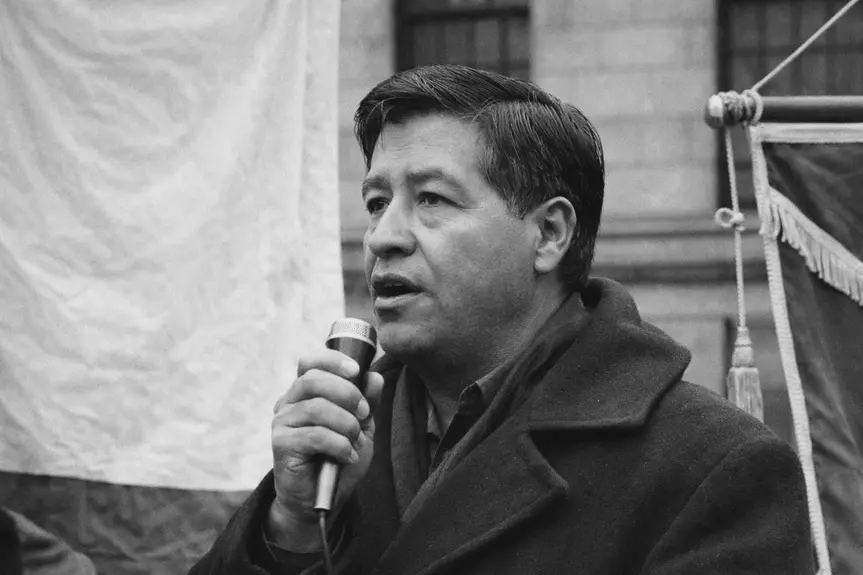
On Wednesday, officials in Los Angeles announced a significant change: the holiday previously known as César Chávez Day will henceforth be recognized as Farmworkers Day. This decision marks a pivotal moment in the ongoing conversation about the legacy of César Chávez, one of the leaders in the farmworker movement, particularly in light of disturbing allegations that have surfaced about his behavior.
Allegations Resurface
The shift began after reports emerged detailing serious allegations against Chávez, including accusations of sexual assault and misconduct from several women. Notably, Dolores Huerta, a key figure in the farmworker movement and Chávez’s long-time ally, revealed that she had been assaulted by Chávez during her thirties, leading to two secret pregnancies.
In response to these revelations, California lawmakers and Los Angeles Mayor Karen Bass announced that the holiday observed on March 31 would now be dedicated to honoring all farmworkers. This marks a striking reversal for California, the first state to officially recognize Chávez with this holiday back in 2000.
Implications for Chávez’s Legacy
The renaming raises questions about Chávez’s name, which is attached to numerous schools, buildings, and public places throughout the state. The California Museum has stated its intention to remove Chávez from the state’s Hall of Fame, a historic decision for the institution.
The Los Angeles Unified School District, which operates César Chávez Elementary School and the César Chávez Learning Academies, is currently evaluating its naming policies in light of these serious allegations. A representative for the district acknowledged the troubling nature of the accusations and emphasized the importance of focusing on the broader farmworker movement rather than an individual. This shift is crucial as it honors the collective efforts of countless individuals who have fought for labor rights and social justice.
Schools bearing Chávez’s name in other areas such as Compton, Lynwood, and Montebello are also under scrutiny, as the community grapples with how to appropriately acknowledge the contributions of the farmworker movement while addressing the recent revelations.
The community has expressed a variety of reactions. Huerta, who recently broke her silence regarding her own experiences, stated that she had long feared speaking out could harm the movement. Meanwhile, the Chávez family expressed their devastation and extended wishes for peace and healing to the survivors of abuse.
Mayor Bass noted that the rebranding of the holiday offers a chance for residents to reflect on the enduring significance of farmworkers’ struggles. Meanwhile, county Supervisor Janice Hahn remarked that this news is disheartening for those who admired the movement, yet emphasizes the importance of recognizing the contributions of women in the fight for labor rights.
As discussions around renaming various institutions continue, local leaders are advocating for a community engagement process to include public input regarding whether to change names of roads, schools, and other landmarks named after Chávez to honor survivors and their stories.
Activists suggest renaming César Chávez Avenue to Dolores Huerta Avenue to better reflect the contributions of women in the farmworker movement. This shift is part of a larger conversation about how to address the legacy of leaders with complicated histories.
For residents looking to get involved in discussions about landmark renamings or educational reforms, contacting local representatives or participating in public comment sessions will be essential as these changes are set to unfold.
In conclusion, California stands at a crossroads where it must balance honoring historic contributions to labor rights while confronting uncomfortable truths about those on the frontlines of that fight.