Senate Hearing Set Against the Backdrop of Controversy
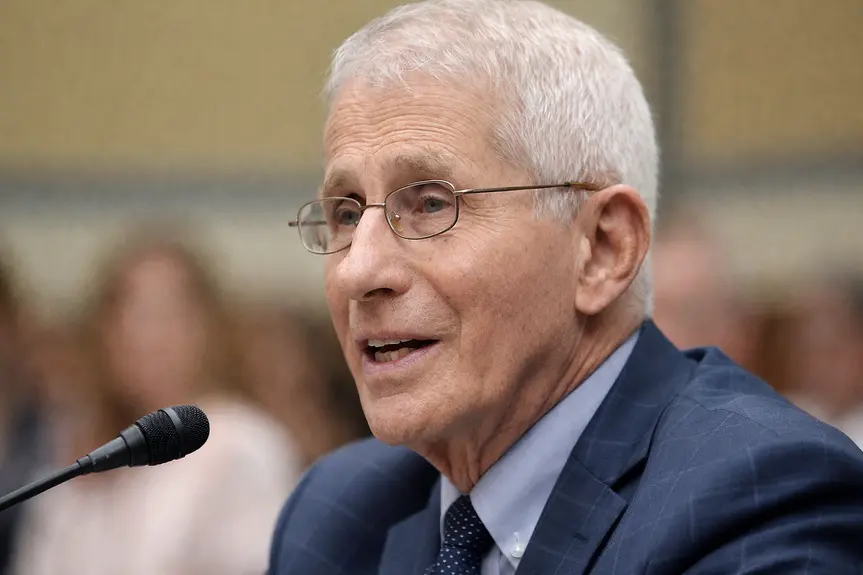
Dr. Anthony Fauci, a prominent figure in America’s response to the COVID-19 pandemic, is once again under scrutiny as Senator Rand Paul prepares to grill him about the origins of the virus during a Senate hearing. This confrontation intensifies Paul’s long-standing allegations that Fauci misled the public regarding the pandemic, claims that Fauci has described as “preposterous.”
Contentions and Allegations from Both Sides
In the buildup to the hearing, Paul made headlines by releasing over a thousand pages from Fauci’s personal diary, detailing his thoughts and uncertainties during the crucial early days of the pandemic. Paul took to social media, suggesting a stark contrast between Fauci’s private reflections and his public statements. However, many of these diary entries have previously appeared in Fauci’s memoir and public interviews, reflecting the evolving understanding of the virus.
This ongoing exchange has further polarized opinions surrounding Fauci, who remains a divisive figure for many. Some people blaming him for controversial public health measures feel especially incensed, despite the fact that he has been a reliable source of information throughout various health crises across decades.
Fauci’s legal team has dismissed Paul’s claims as “absolutely baseless,” arguing that they stem from a long-standing vendetta. As the hearing approaches, an overwhelming chorus of support has emerged for Fauci from over 150 leading infectious disease specialists, who publicly decried the unfounded accusations and called for a halt to what they termed as political witch-hunts.
The heart of this Senate hearing will likely revolve around the contentious issue of whether any National Institutes of Health (NIH) funded research in China contributed to the pandemic’s inception. Although many scientists believe the virus originated naturally—possibly originating in animals before making its way to humans—Senator Paul has promoted alternative theories suggesting a potential laboratory leak. Most studies to date have found no evidence implicating Fauci or his agency in any wrongdoing regarding the origins of the virus.
Throughout this debate, Fauci has maintained a flexible approach, acknowledging both the natural origins theory and the laboratory leak hypothesis, while consistently asserting that the evidence leans more towards natural emergence, akin to the dynamics observed with related viruses like SARS and MERS.
Additionally, accusations have arisen regarding Fauci’s statements about funding “gain of function” research, which involves enhancing viruses to study their potential impact on human health. Although the NIH has granted funds to EcoHealth Alliance for research in China, Fauci has clarified that the specific studies in question did not meet the criteria for the more dangerous forms of such research, asserting that these experiments could not have led to the emergence of COVID-19.
The unfolding events are not just a clash of personalities, but rather a pivotal moment reflecting the ongoing struggles of public trust in health authorities during and after a global pandemic.