The tragic incident involving the shooting of Yong Yang in his family’s Koreatown apartment has raised significant concerns about police interactions with individuals experiencing mental health crises. More than two years after the event, the Los Angeles County District Attorney’s Office announced it would not file charges against Officer Andres Lopez, who fatally shot Yang. The decision has sparked a wave of criticism from Yang’s family and advocates for mental health awareness.
Details of the Incident
The encounter began when Yang’s mother called for help from the county’s psychiatric emergency response team. Upon their arrival, the clinician assessed the situation but deemed Yang’s behavior too aggressive and requested police intervention. Unfortunately, the response led to a tragic outcome.
According to the District Attorney’s findings, Officer Lopez acted reasonably in his belief that his life was in danger when he fired three shots at Yang, who was reportedly armed with a knife and had refused multiple commands to drop the weapon. The DA’s office stated that there wasn’t sufficient evidence to suggest criminal wrongdoing on Lopez’s part, a conclusion that Yang’s family vehemently disputes.
Family Response and Ongoing Legal Battles
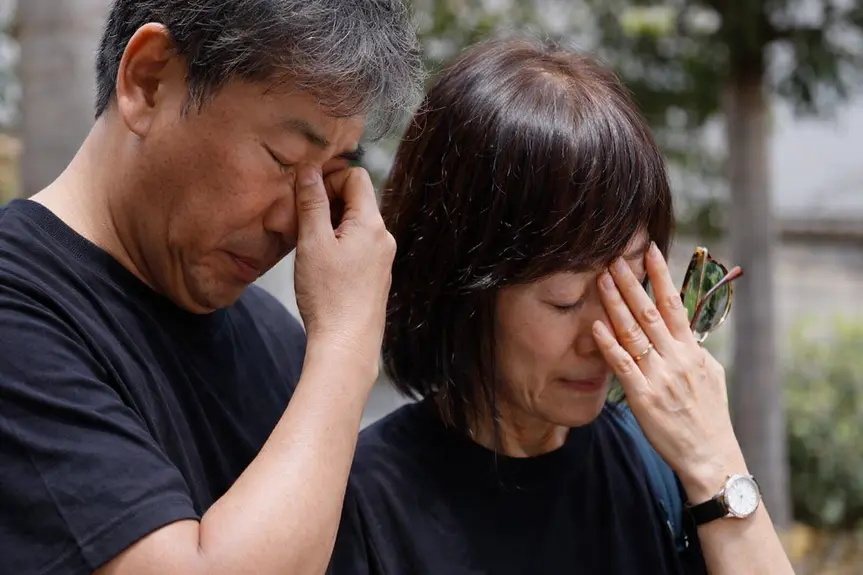
Yang’s family has expressed deep disappointment with the DA’s decision, with his father, Min Yang, criticizing the conclusions drawn as inaccurate and suggesting a failure to thoroughly investigate the facts. They have filed two lawsuits, one in federal court and another in county court, arguing that their son’s death could have been prevented and accusing the police of not considering other alternatives before resorting to lethal force.
The family contends that Yang did not threaten anyone during the incident and challenges the characterization of him as violent, suggesting that it led to an unnecessarily aggressive police response. Their legal actions remain ongoing as they seek accountability from the city and the LAPD, which has denied any wrongdoing.
Despite the controversy surrounding the shooting, Officer Lopez may still face disciplinary action for his approach leading up to the encounter, as the police department’s oversight body noted potential violations of policy. However, given the findings that justified the use of deadly force, significant repercussions appear unlikely.
The tragic outcome of this situation highlights the complexities of police responses to mental health crises. While the LAPD claims to have implemented new training programs to enhance their handling of such scenarios, criticism continues from community advocates who argue for alternative responses without police intervention.
As conversations about reform and accountability continue, the Yang family remains committed to seeking justice for their loss, shining a light on the urgent need for change in how authorities engage with individuals in mental health distress.