Luxury Resort Plans Come to a Halt
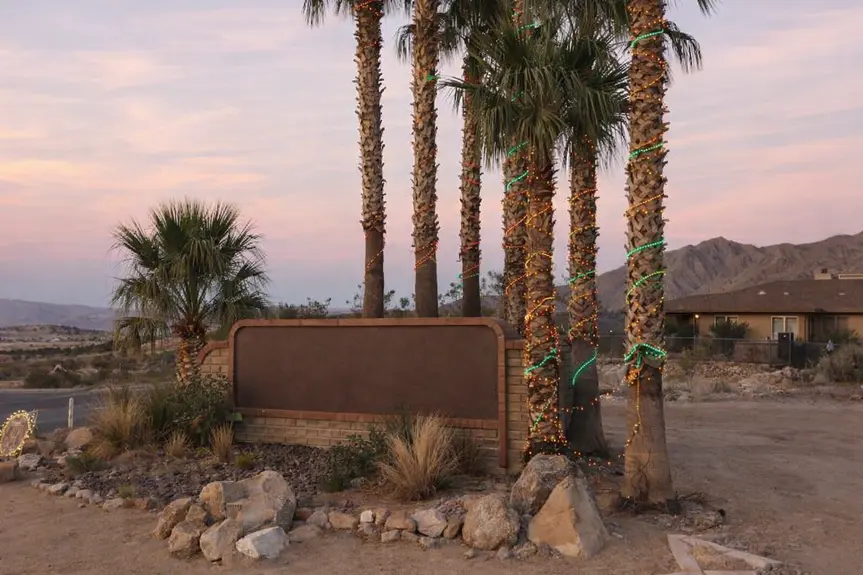
A hospitality group from Las Vegas has abandoned its ambitious plans to create a luxury eco-resort a stone’s throw away from Joshua Tree National Park. Set on 152 acres of untouched creosote scrub in the Indian Cove area of Twentynine Palms, the project faced legal scrutiny from local residents and conservationists who argued that the city overlooked critical environmental assessments during the approval process last year.
The representatives of Ofland Hotels stated that the decision to pull the plug was not directly related to the ongoing lawsuit. Instead, they cited shifting financial and market conditions that made proceeding with the project unviable. A recent communication from Ofland’s attorney noted that the initiative also fell out of escrow due to a prospective buyer’s persistent silence on extension requests.
Community Reactions and Future Plans
Ofland Hotels issued a statement reflecting their strategy shift. Luke Searcy, the head of development, mentioned that “softening market demand” was a key factor in their change of direction. He emphasized the importance of adapting to industry trends, stating that the current market did not justify the level of investment needed for the resort’s development.
As they step back from the Joshua Tree project, Ofland Hotels is redirecting its efforts to a resort initiative near Great Smoky Mountains National Park in Tennessee, which received approval in 2024, and a yet-to-be-announced project near Zion National Park in Utah. Ofland also manages a boutique hotel in Escalante, Utah.
The city manager of Twentynine Palms, Stone James, expressed disappointment, noting the proposed resort could have generated substantial annual tax revenue and provided numerous job opportunities. He indicated that some residents’ opposition stood in the way of an economic opportunity that could have benefitted the community.
The envisioned resort was designed to feature 100 small cabins, two lodges, multiple pools, a stargazing area, an outdoor movie screen, and a wastewater treatment facility capable of handling over 13,000 gallons daily. Responses to the project’s cancellation varied; some neighbors felt relieved, arguing that the site was not suitable for commercial development.
Cindy Bernard, a local artist and co-founder of Indian Cove Neighbors, highlighted the significance of the area’s wildlife corridor, which supports animal migration between the national park and surrounding regions. She asserted that a resort would have disrupted this delicate habitat.
Responding to the city manager’s claims regarding the potential economic benefits, Bernard pointed out that these figures were merely projections. Living adjacent to the proposed site, she noted the presence of desert tortoises on her property, underscoring the environmental concerns associated with such a development.
Compounding these issues, a field survey initiated by the developers did not adhere to standard protocols established by the U.S. Fish and Wildlife Service for identifying tortoises, according to Evan Levy, an attorney representing the Center for Biological Diversity. This nonprofit, alongside Indian Cove Neighbors, had filed a lawsuit against Twentynine Palms related to the project’s approval, claiming the city’s mitigated negative declaration lacked comprehensive insights into the potential environmental impacts.
This site, located merely half a mile from the national park’s edge, was known to support numerous species classified as threatened or endangered. The legal parties have consented to a temporary pause of 90 days for the developers to collaborate with the city in decertifying the project’s approval and reversing all related entitlements.