The California high-speed rail project, originally celebrated as a groundbreaking infrastructure initiative, is now entangled in controversy as its costs have skyrocketed to an astonishing $231 billion, over $100 billion beyond initial forecasts. This enormous price tag has led many to question the feasibility of an undertaking that remains unoperational six years past its original launch date.
What We Know
Initially proposed to voters in 2008 with a $33 billion budget and a targeted completion by 2020, projections have since ballooned beyond anyone’s expectations. Presently, the California High-Speed Rail Authority (CHSRA) outlines a business plan suggesting that even the first segment—running from Gilroy to Palmdale—will not be finalized until 2032.
Adding to the challenges, the project lost $4 billion in federal funding when the previous administration scrapped financial support, leaving the state scrambling to secure necessary funds amidst rising deficits.
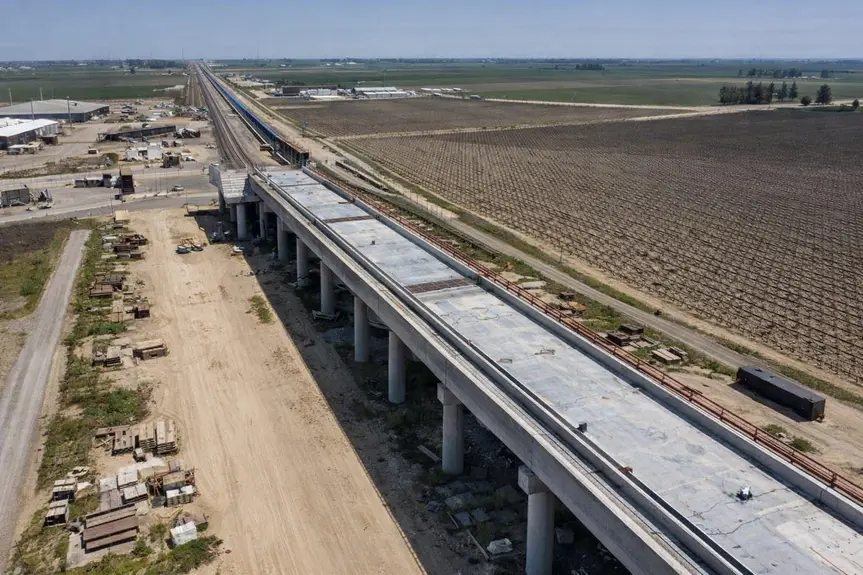
Currently, the focus of construction is a 171-mile segment between Merced and Bakersfield, rather than the previously intended route connecting Los Angeles and San Francisco.
What Lies Ahead
Questions loom regarding the ability to attract private investment that could help offset the staggering financial shortfalls caused by federal funding withdrawal and ongoing state budget issues. Political dynamics further complicate the project’s future, as discussions about a potential new governor’s support or abandonment of the rail project arise. Calls from some lawmakers to discontinue the project are intensifying against a backdrop of California’s multi-year budget deficits.
In addition to the high-speed rail, the anticipated costs for another new rail line connecting Southern California to Las Vegas have surged by approximately 35%, escalating from $16 billion to $21.5 billion.
State Senator Tony Strickland expressed his skepticism regarding the project’s viability, stating, “This is a project that will never be built, and everybody in this building knows it. We keep wasting billions while facing significant budget deficits.” He further criticized the endeavor, labeling it possibly the most wasteful government infrastructure project in history.
As California navigates its financial challenges, state legislators are expected to examine the future of the high-speed rail in forthcoming budget discussions. Meanwhile, the CHSRA is on the lookout for private capital, although confidence from both the public and private sectors remains limited.
This narrative underscores the complexity and urgency of the California high-speed rail initiative, a project once brimming with promise now confronting formidable obstacles in its path to realization.