Heightened Spraying Efforts in Response to Virus Surge
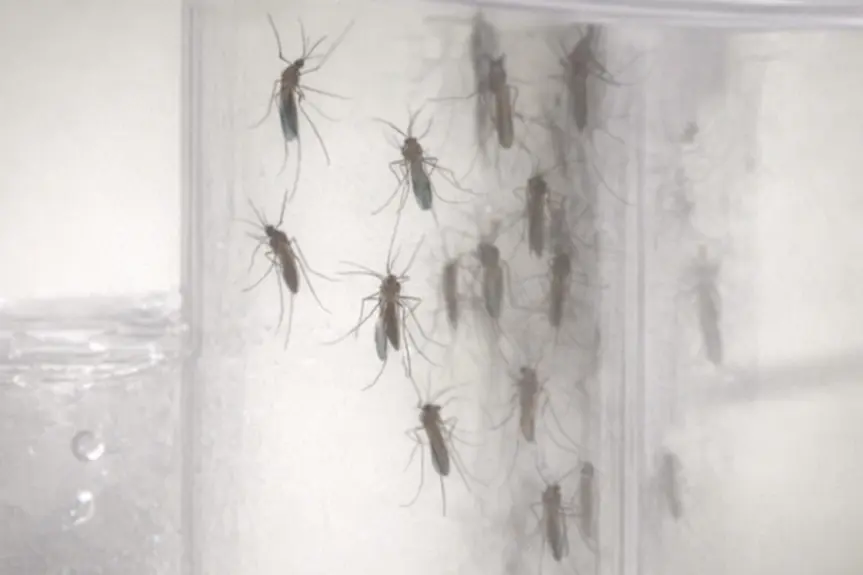
Los Angeles County is intensifying its fight against the rising threat of West Nile virus, ramping up mosquito spraying across various neighborhoods. This comes in light of a concerning increase in reported cases, with crews focusing their efforts on La Puente where pesticides are being applied to combat the growing mosquito population.
So far this year, the health department has recorded around 100 infections, leading to 94 hospitalizations and tragically, five deaths. Residents are voicing their concerns, with one local, Bree, expressing her disdain towards mosquitoes and their irritating bites. Another resident, Darlene, a pregnant woman, is particularly anxious about the risks that mosquitoes pose.
Understanding the Reasons Behind the Surge
Ana Medina Diaz, who oversees communications for vector control, explains that unseasonably warm overnight temperatures are contributing to increased mosquito activity. “The warmth invites more mosquitoes to thrive and, consequently, increases the risk of disease spread,” she noted. With this elevated mosquito presence, authorities are on high alert, as the number of West Nile cases reported this year has skyrocketed to over four times last year’s total.
Reported cases have emerged across various regions from the South Bay to the San Fernando Valley and East Los Angeles, prompting urgent responses from public health officials.
West Nile virus manifests in symptoms such as fever, confusion, and muscle weakness, with severe instances potentially resulting in serious neurological conditions or even death. Dr. Dawn Terashita emphasized the serious nature of the virus, stating, “There’s no specific treatment or vaccine available for West Nile virus.”
While some locals express deep concern, others are less alarmed. One resident admitted that the issue hadn’t really been on their radar, while Bree shared a more proactive sentiment, stating, “They’re spraying for them tonight. Oh, good!” Overall, the community’s response reflects a mixture of anxiety and annoyance toward the pesky insects as vector control officials work diligently to limit the virus’s spread.