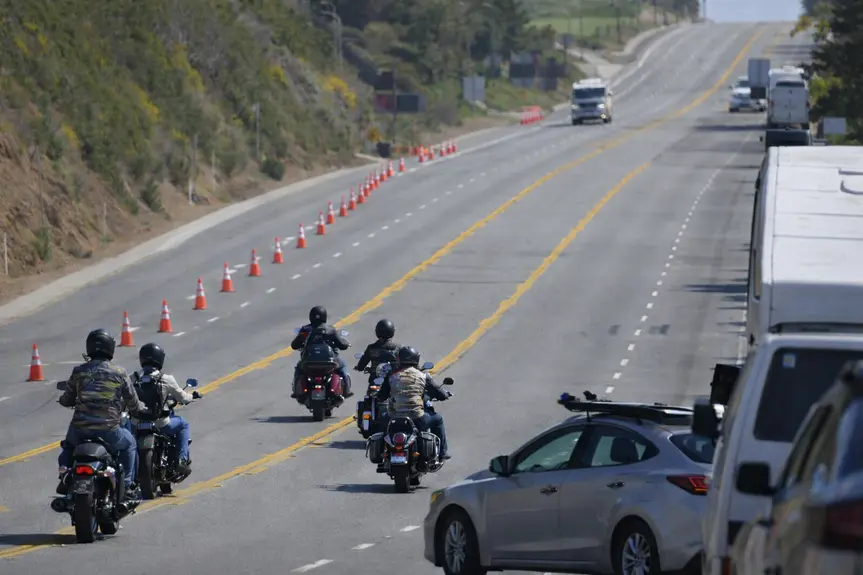
In a move that has left many concerned about safety, the launch of automated speed cameras along a dangerous segment of the Pacific Coast Highway (PCH) in Malibu has been pushed back once again. This stretch of road has seen tragic collisions, resulting in the loss of 60 lives and numerous severe injuries. The cameras, which are being introduced as part of Malibu’s Speed Safety System, were initially set to start issuing warnings this month but will now be delayed until next year, primarily due to ongoing discussions regarding potential updates to the speed limits on certain portions of PCH.
Joe Irvin, the city manager of Malibu, emphasized the importance of this initiative. He stated, “The Speed Safety System is an important step toward making PCH safer and preventing tragedies caused by excessive speeding. We are taking the time to coordinate the launch with updated speed limits and ensure the system is ready, fair, and transparent.” This delay comes after Malibu successfully advocated for its inclusion in the California speed camera pilot program. The program, introduced in 2023, was initially limited to several major cities, and Malibu was eventually granted permission to deploy five automated cameras to detect speeding vehicles.
The Need for Speed Control
Recent testing revealed alarming data, with over 100,000 speeding violations recorded along Malibu’s PCH in just nine days. This staggering figure highlights the significant issue of speeding on this curvy highway, which residents and city officials have long recognized. The preliminary data further underlines the urgency of the situation, reinforcing the need for effective enforcement measures to enhance road safety.
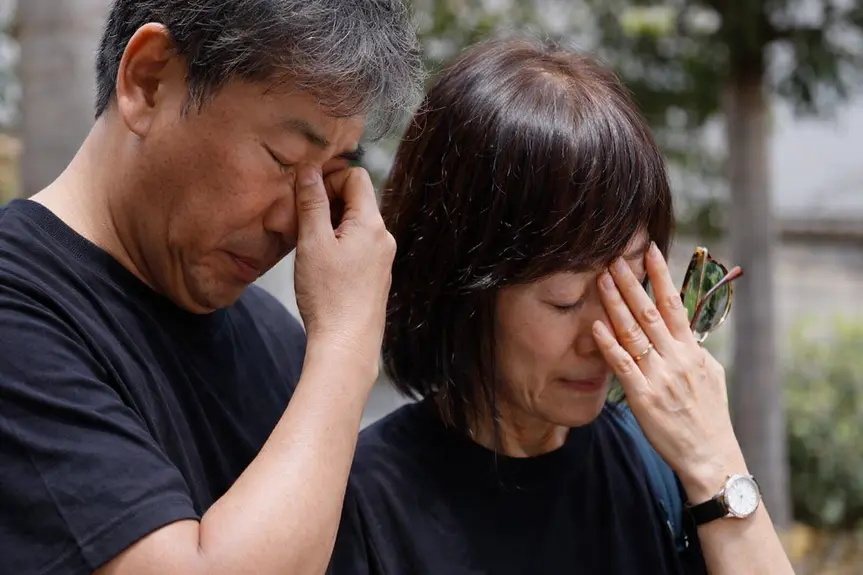
Officials initially aimed for a test period to commence in September, but this has now been rescheduled to November and subsequently to January due to necessary adjustments in the camera installations. The California Department of Transportation (Caltrans) has suggested new speed limits in specific areas based on recent safety assessments. Following a devastating incident where four Pepperdine University students lost their lives due to a high-speed driver, the call for enhanced enforcement has become more pronounced than ever.
What Comes Next for Drivers
As the January 1 activation date approaches, the city plans to implement a 60-day warning phase. During this period, drivers exceeding the speed limit by 11 mph or more will receive warnings. After this initial phase, the cameras will begin capturing images of offenders, and fines will be mailed to the vehicle owners based on their license plate information. This rollout is critical not only for punishing reckless driving but also for fostering a culture of safety among drivers.
While Malibu gears up for its speed camera system, neighboring cities like Long Beach are already in the midst of their warning periods, reporting tens of thousands of warnings issued within the first month. Meanwhile, Los Angeles has also begun deploying its speed cameras, part of a broader effort to enhance traffic safety in Southern California.
As these developments unfold, the hope is that Malibu’s adjusted strategy and the implementation of speed cameras will lead to a safer environment for all who travel along the scenic but perilous PCH.