This year, Los Angeles County is facing a concerning health situation with the detection of 69 rabid bats, equating to last year’s alarming record. As the peak season for bats continues, public health officials have stepped up their warnings and urged residents to be vigilant.
Understanding the Rise in Rabid Bat Cases
Coinciding with World Rabies Day observed on September 28, the findings from the Los Angeles County Department of Public Health reveal a troubling trend. Over the past decade, reports of rabid bats have consistently risen. Most striking is the alarming statistic from August, where 24 rabid bats were confirmed, and a staggering 32% of bats sent for testing tested positive for the virus.
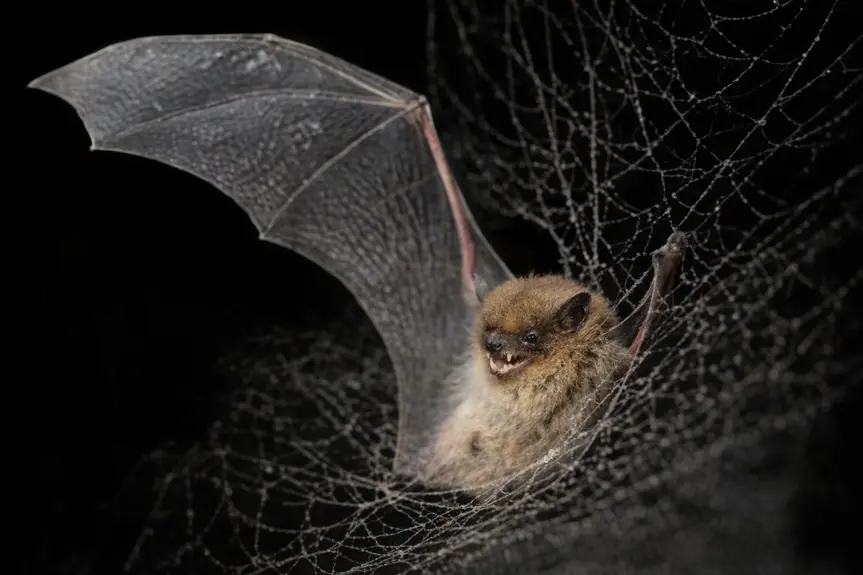
The Santa Clarita Valley has become the focal point for this year’s cases, accounting for 68% of the rabid bats detected. The majority of these bats belonged to the Canyon Bat species, suggesting a heightened circulation of rabies among these local populations.
Precautions for Residents
Dr. Muntu Davis, the county’s Health Officer, emphasized the importance of awareness, stating that while bats play a crucial role in our ecosystem, they can carry rabies, which is nearly always fatal once symptoms are present. Residents are advised to act quickly if they encounter a bat indoors or believe they may have been in contact with one. Immediate consultation with a medical provider or the Public Health department is essential.
It’s critical to remember: never touch a bat or any wild animal. Instead, report any bats found indoors or those appearing sick, active during the day, incapable of flying, or dead to local animal control.
Rabid bats have been spotted across various locations in Los Angeles County, including the San Fernando Valley and even prominent areas like downtown Los Angeles. Many encounters happen indoors, which raises the risk of exposure for pets and people alike. Awareness of possible exposure is especially important, as bat bites can be tiny and often go unnoticed.
If residents wake up to find a bat in their room or near a sleeping person, child, or pet, they should consider this a potential exposure and contact animal control without delay. For safety and testing purposes, it’s crucial not to release these bats.
Post-exposure prophylaxis, a series of timely vaccinations, is available to prevent rabies following exposure. To protect pets, keeping their rabies vaccinations up to date is essential. Residents should avoid touching wild animals and report any bats that exhibit unusual behavior, such as being active in daylight or grounded.
Recent statistics reveal that about 17% of bats encountered by residents and pets in Los Angeles County have tested positive for rabies, with figures climbing to 33% during late summer months. Bat-proofing homes is also highly recommended. Residents should seal any openings, install heavy-duty wire mesh over vents, ensure exterior doors close tightly, and utilize window screens and chimney caps to prevent bats from entering.
For further guidance, residents can visit the public health website at ph.lacounty.gov/rabies.