Bridging the Gap for Wildlife
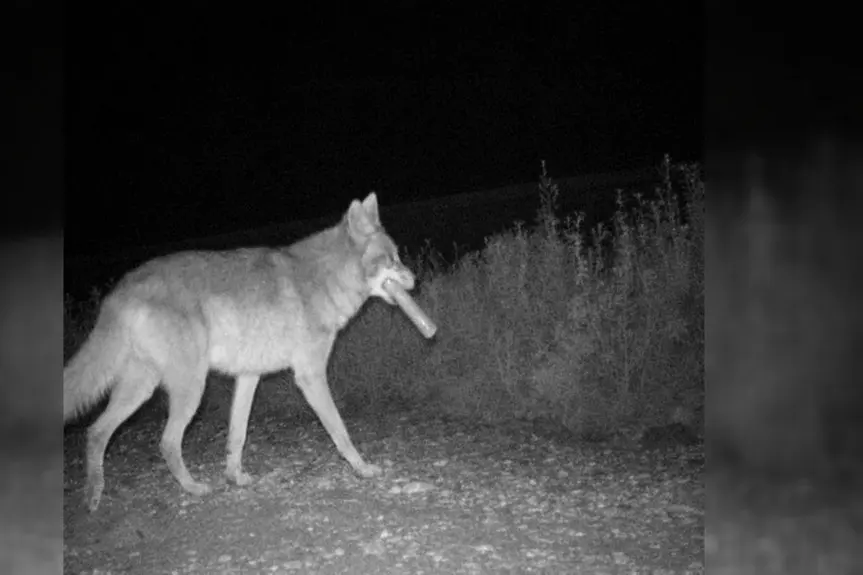
In an exciting turn of events, a remote wildlife camera has captured a coyote making its way across the newly constructed Wallis Annenberg Wildlife Crossing, positioned above the bustling 101 Freeway. This sighting, taking place in the early hours of Wednesday, marks a monumental moment as it showcases the first larger mammal to use this innovative structure, designed to reconnect fragmented ecosystems that have been affected by one of the busiest commuter corridors in the nation.
Tracking Wildlife Movements
Biologists from the Santa Monica Mountains National Recreation Area have implemented a series of surveillance cameras on the bridge to monitor animal behaviors in anticipation of its official opening. Just after 1:30 a.m., the cameras recorded the coyote traversing the bridge deck, which spans above ten lanes of heavy traffic, a route used by over 300,000 vehicles daily.
This is not the first sighting of wildlife in the area; earlier, a photo captured on October 28 showed a coyote climbing the southern slope of the still-unfinished overpass. Field teams monitoring the area have consistently observed various wildlife, including bobcats, gray foxes, mule deer, and mountain lions, along a dirt trail adjacent to the bridge site near Liberty Canyon.
When completed, the crossing will be the largest vegetated wildlife overpass of its kind globally, providing a vital habitat link between the Santa Monica Mountains and the Simi Hills.
The Road Ahead for Wildlife and Research
While the immediate visibility of the coyote is promising, scientists remain keen to understand the broader ecological impacts of the crossing. There are still questions to answer regarding how quickly keystone species like mountain lions will start using the overpass and how it will impact genetic diversity in the region. Researchers are continuing to study the long-term effects of freeway noise and light pollution on wildlife movement through this new passage.
Seth Riley, the wildlife branch head at Santa Monica Mountains National Recreation Area, emphasizes the depth of this investigation. “This project is more than just an animal crossing; it’s about re-establishing an ecosystem that has faced years of disruption from the freeway. Understanding its effectiveness will require time and comprehensive research.”
With the recent concrete structures laid down, the wildlife crossing is nearing its official completion, offering local fauna an important safe passage over a perilous road.
The project, a collaborative effort involving multiple agencies including the National Wildlife Federation and Caltrans, is set to celebrate its ribbon-cutting event on December 2. This occasion will not only mark the opening of the structure to wildlife but also kick off extensive research initiatives that will track wildlife activity and monitor environmental conditions for years to come.
For those looking to track the progress of wildlife studies and biodiversity initiatives in their area, the Santa Monica Mountains National Recreation Area’s official portal provides a wealth of information and updates.