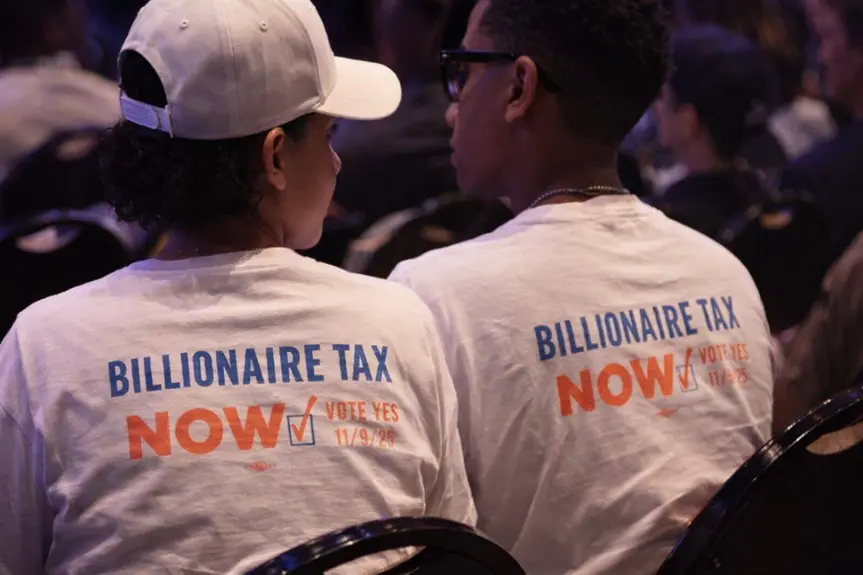
A contentious new initiative has emerged, aiming to impose a significant tax on California’s wealthiest individuals to bolster healthcare funding. The proposal has now tentatively secured its place on the upcoming November ballot, igniting a fierce debate about the responsibilities of the ultra-rich in a state grappling with healthcare funding challenges.
Taxing the Billionaires for Healthcare
The plan is viewed by supporters as a crucial response to recent cuts in federal healthcare funding, which have been criticized for impacting millions of vulnerable Californians. In a effort to rally support, advocates submitted nearly 1.6 million signatures—an impressive count that easily surpasses the necessary threshold. The California Secretary of State confirmed that enough valid signatures were collected, allowing the initiative to qualify for the November 3 ballot.
This proposed tax would target individuals and trusts with assets exceeding $1 billion, imposing a one-time levy of up to 5%. While the tax could be spread out over five years, supporters claim that up to 90% of the generated revenue would be allocated to healthcare programs, with the remaining funds directed towards education and food assistance initiatives. If enacted, this measure could generate around $100 billion from the wealthiest Californians.
Divided Opinions and Economic Concerns
However, this proposal has not gone unchallenged. Critics argue that the tax would be an ineffective solution to the broader problems stemming from federal funding cuts, potentially jeopardizing California’s economic stability. Given that the state’s budget heavily relies on the income taxes of its wealthiest residents, any instability in high-income earners’ contributions could result in unpredictable revenue streams.
The vast divide between California’s rich and poor populations has only been heightened by this proposal, with significant pushback coming from the wealthy who threaten to relocate their businesses—and consequently, their tax contributions—elsewhere. High-profile figures such as tech executives have voiced their concerns, highlighting that a wealth tax could harm the state’s economy. Notably, Governor Gavin Newsom has indicated reservations about the measure, fearing it might drive billionaires out of California, while others, including U.S. lawmakers like Rep. Ro Khanna, support the initiative as a necessary step toward equitable taxation.
As this contentious proposal continues to take shape, it signals a pivotal moment for California, with billionaires such as filmmaker Steven Spielberg and Facebook co-founder Mark Zuckerberg reportedly exploring property opportunities outside the state. The divide in opinion reflects deeper issues of wealth inequality, prompting significant political and financial responses.
Concerns regarding the effectiveness of the proposed tax have prompted wealthy executives to contribute substantially to campaigns opposing the initiative. They emphasize alternative strategies focused on increasing affordable housing access and promoting educational funding rather than on targeting their own wealth.
The ongoing debate over this billionaire tax proposal may alter the financial landscape of California and define the relationship between the wealthy elite and state funding initiatives for years to come.