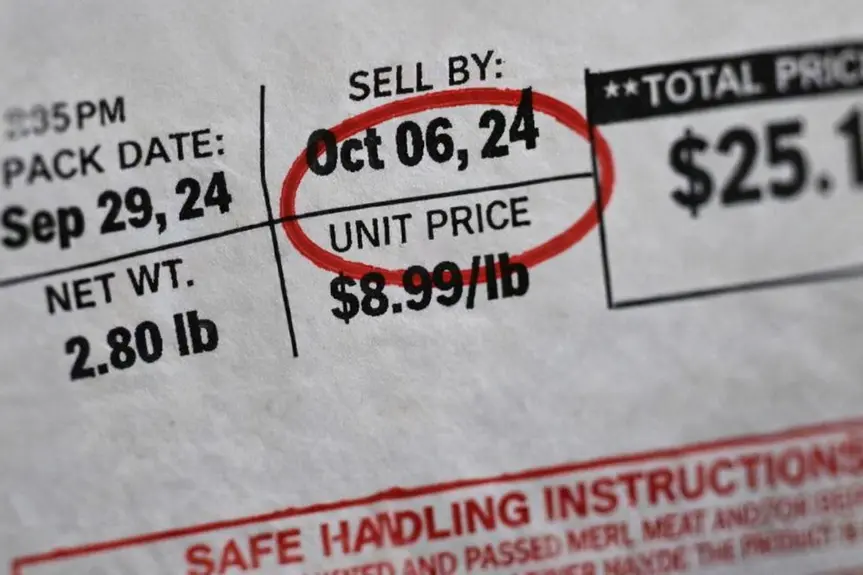
In an effort to tackle the significant issue of food waste, California is set to reshape how grocery items are labeled under a new consumer protection law. This groundbreaking initiative aims to prevent billions of pounds of unused but perfectly good food from ending up in landfills across the state.
Understanding the New Labeling Requirements
Assembly Bill 660 has been enacted to clarify confusing labeling terminology that often misleads consumers. The law mandates that all food packaging must adhere to a simple and consistent language that distinguishes product freshness from health risks.
Under this new legislation, products must bear the phrase “BEST if Used by” to indicate when they are at their optimal quality. In contrast, the phrase “USE by” will exclusively signify items that are past a crucial safety threshold.
What This Means for Shoppers
With the implementation deadline set for July 1, food manufacturers, processors, and packaging teams are working diligently to update their designs and ensure compliance. As a consumer, it’s essential to understand these changes as you navigate your grocery shopping.
When you’re out shopping, remember that an item that has surpassed its “BEST if Used by” date is still safe to eat; it simply means the product may not be at its peak flavor. The “USE by” label, however, should be taken seriously, as it indicates safety concerns.
This transition is a significant step forward for California, and it’s crucial for shoppers to familiarize themselves with the new terminology to minimize food waste and make informed choices.