Utility Shutoffs Put on Hold
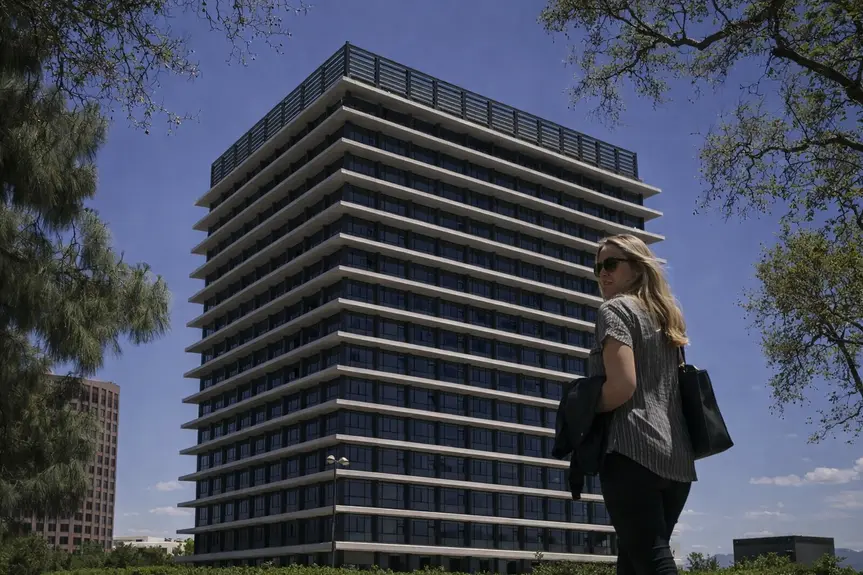
In response to a spike in utility bills that many residents find overwhelming, the Los Angeles Board of Water and Power Commissioners has decided to halt shutoffs for nonpayment until the end of the year. This decision comes amid widespread complaints on social media where Angelenos have voiced their frustration over sky-high charges on their water and electricity bills.
Calls for Transparency and Change
During a recent board meeting, several residents expressed their frustrations with the utility’s billing practices, pushing for greater transparency and an audit of the Department of Water and Power (DWP). Board President Allan Marks acknowledged these concerns, emphasizing that ‘public focus can drive change.’ The DWP has seen an approximate 15% to 20% increase in electricity usage compared to last year, attributed in part to rising temperatures and more extreme weather, including a surge in heatwave days.
Many residents are feeling the heat, with some reporting shocking bills, like one San Fernando Valley resident who received a bill exceeding $3,300. The board has since resolved to review the existing rate structures to ensure they reflect the current climate and educate residents about their bills more effectively.
In a city where air conditioning has become essential, some ratepayers are pushing for a reassessment of how utility rates are structured, arguing that cooling is a necessity rather than a luxury. Mayor Karen Bass has also urged for a suspension of disconnections, stating that many residents are caught off guard by the unexpected costs and need immediate relief.
To ensure accountability, Bass has called for an independent audit of the DWP’s rate structure, advocating for a clear explanation of how rates are calculated and justifying any charges that lead to such substantial bills. Following her lead, City Councilmember Nithya Raman is keen on initiating audits to promote transparency, highlighting the necessity for DWP to justify any increases to ratepayers before the council.
There’s a growing consensus that regular audits—something currently lacking due to limited staffing at the city controller’s office—are vital for ongoing transparency in utility billing. Advocates argue that frequent audits are key to understanding pricing and ensuring that customers aren’t burdened with unexpected costs.
As Los Angeles grapples with these issues, there’s hope that the recent measures will offer relief and prompt necessary reforms that prioritize the well-being of all residents, particularly those on fixed incomes or struggling financially.