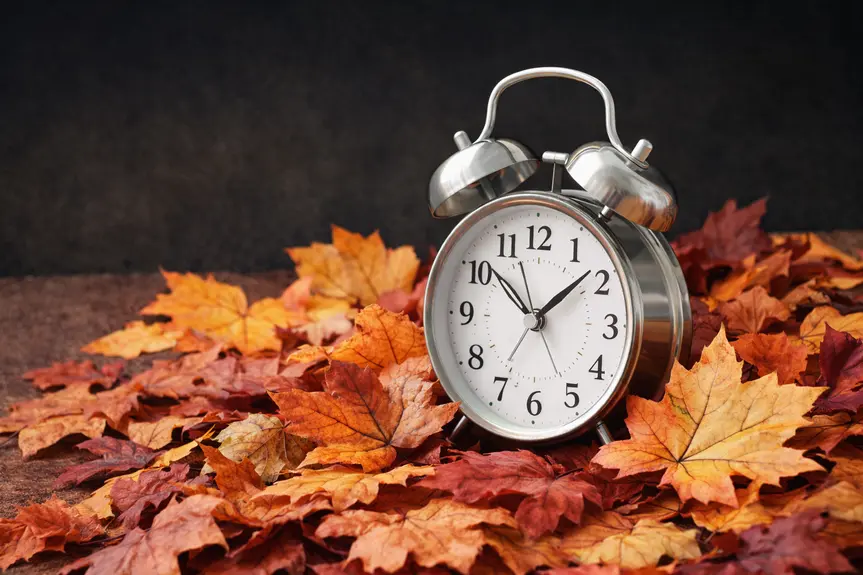
As the seasons change, many of us are preparing for the familiar tradition of turning our clocks back. Daylight saving time is poised to conclude, prompting a collective reminder that we will soon gain an extra hour in our day. However, discussions surrounding a permanent daylight saving time continue, adding a layer of complexity to this twice-annual event.
When Does Daylight Saving Time Conclude?
This year, daylight saving time will officially end on November 1, 2026, at 2:00 a.m. local time, resetting to 1:00 a.m. standard time. For those who enjoy the extended daylight of summer evenings, this transition might feel bittersweet as we prepare to embrace shorter days.
Who Doesn’t Follow Daylight Saving Time?
Interestingly, not every state in the country observes daylight saving time. Most of Arizona and Hawaii choose to maintain standard time throughout the year. Additionally, U.S. territories like American Samoa, Guam, and others opt out of this clock-altering practice.
It’s worth noting that the Navajo Nation in parts of Arizona does observe daylight saving time alongside their neighboring lands in states like New Mexico and Utah, creating a unique situation in the desert region.
The ongoing debate about the necessity of daylight saving time is not new. Historical perspectives show that the practice originated over 50 years ago, driven by factors like energy conservation. There have been numerous discussions and legislative attempts to alter its implementation across the country.
Most recently, the Sunshine Protection Act of 2025 gained traction in Congress, passing the House of Representatives with a significant majority. Supporters, such as Florida Representative Gus Bilirakis, argue that a permanent daylight saving time would spur economic growth and encourage outdoor activities, particularly in states where tourism flourishes.
However, detractors warn that this shift warrants more thorough consideration before sweeping changes are enacted, especially given its potential impact on a majority of the nation. While the bill aimed for a Senate review, it currently sits without movement, leaving many to brace for the familiar clock changes yet again.