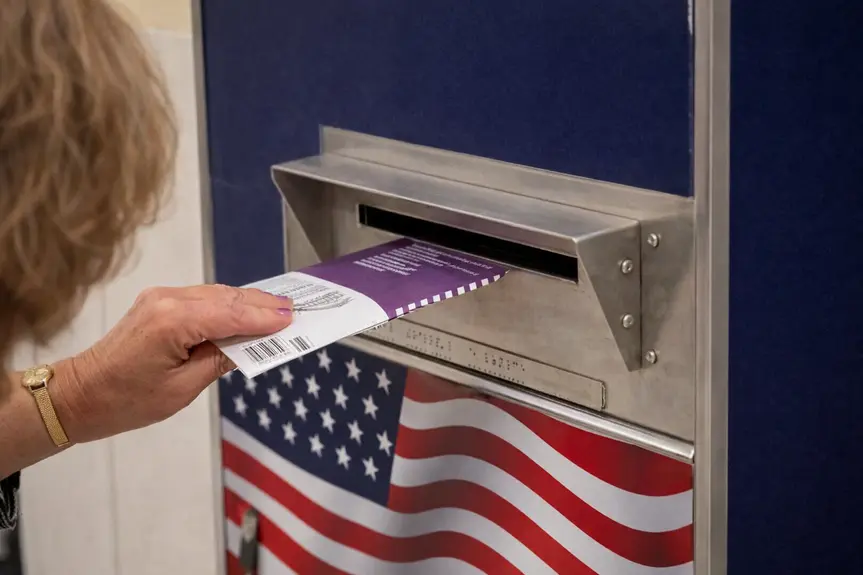
In a surprising turn of events, the U.S. Justice Department has intensified its involvement in California’s election process, demanding that county election offices separate ballots from individuals the Trump administration suspects to be noncitizens. This alarming directive was communicated through letters sent statewide, giving officials a mere 48 hours to comply or face potential criminal consequences.
Backdrop of the Enforcement Action
The recent letters came after previous communications from the Justice Department, which had already warned California Secretary of State Shirley Weber and L.A. County’s registrar, Dean Logan, that approximately 20,000 ballots should be set aside until their voters’ citizenship can be verified. When the state officials expressed apprehension regarding this demand, the Justice Department responded by filing a lawsuit against them and the state.
Allegations within the lawsuit indicate that the Trump administration utilized poorly constructed lists alleging noncitizenship to impose federal oversight on the local election process. The situation escalated further after President Trump and Justice Department officials stated that they would pursue legal action against local officials if they proceeded with counting votes from those identified as likely noncitizens.
Responses from Local Officials
So far, 57 of California’s 58 counties have received these letters—only Los Angeles was excluded due to prior notice. First Assistant U.S. Attorney Bill Essayli made it clear that any election official who knowingly processes a noncitizen ballot could face severe legal ramifications. “California does not verify citizenship status,” he claimed, asserting that the federal authorities took corrective measures by identifying likely noncitizens from the voter rolls.
Santa Cruz County Clerk Tricia Webber, who leads the California Association of Clerks and Election Officials, expressed her concerns about this unusual procedure, stating that her office was reviewing the directive with their legal counsel. Other officials, like Kristin Connelly from Contra Costa County, confirmed that the letters had sparked discussions among election administrators across the state, emphasizing the nonpartisan nature of their work and denouncing the threatening tone of the letters.
Moreover, federal filings related to the ongoing lawsuit have revealed insights into the investigations, including specific instructions from U.S. Attorney Craig Missakian demanding that election officials cooperate in identifying voters among a list of what he termed “likely aliens.” This included extreme measures such as providing sensitive personal information for verification.
While the Justice Department has previously engaged in legal battles over voter records in California and other states—most notably losing cases that challenge local authorities’ ability to manage their electoral processes—California officials remain steadfast in their commitment to uphold the integrity of their elections. They classify the federal demands as unjustified interference.
Senator Alex Padilla addressed the escalating tensions, stating that the Trump administration’s attempts to interfere in California elections are not only unwarranted but also demonstrate a level of desperation. He reassured local election officials, stating, “We have your back,” and vowed that any efforts to undermine the state’s electoral system would ultimately fail.