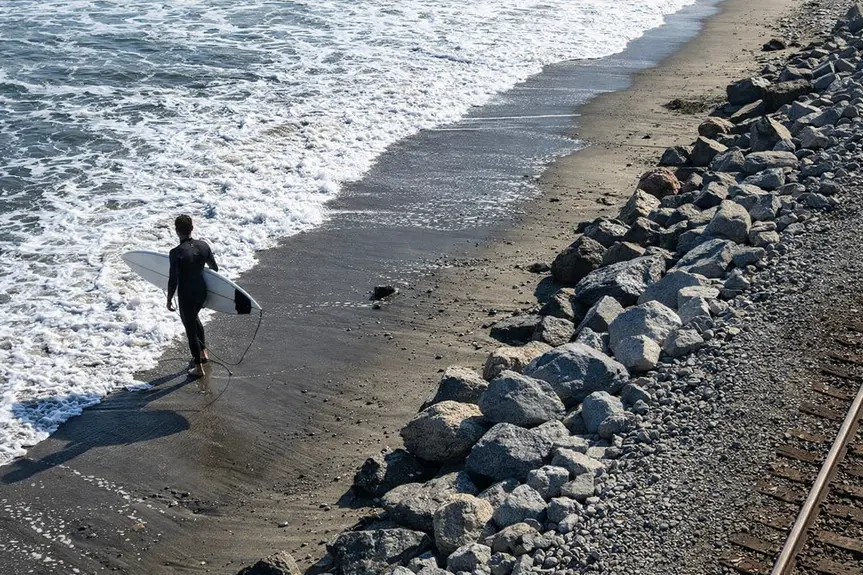
In recent weeks, the charming coastal town of San Clemente has been grappling with the alarming impacts of climate change. The idyllic beach city, nestled at the southern edge of Orange County, is experiencing severe coastal erosion driven by El Niño-related storms while simultaneously battling wildfires blazing through its foothills.
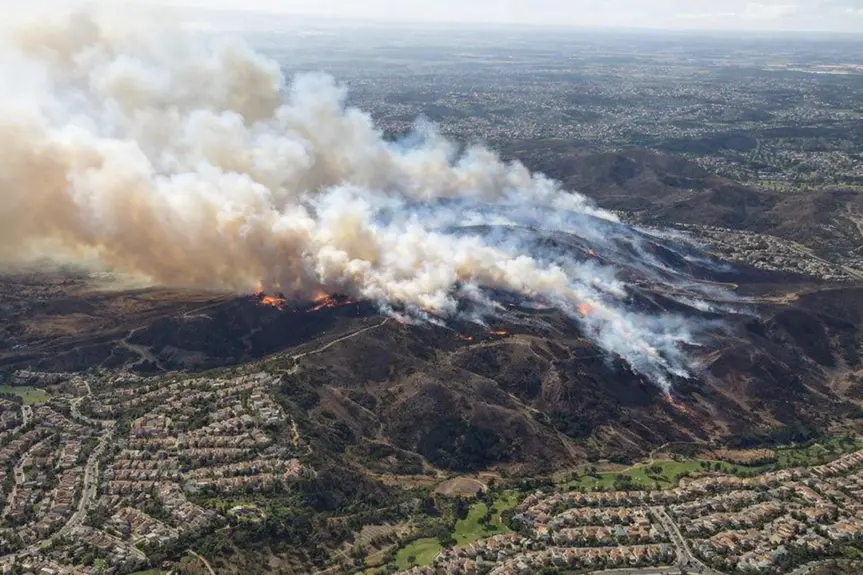
As the relentless waves battered the shores, a sudden wildfire ignited in the hills, quickly racing towards residential areas and devastating homes in the nearby San Juan Capistrano. San Clemente’s plight reflects a larger crisis that many parts of California may face this winter as fire risks and coastal hazards converge.
Community in Crisis
Residents are feeling the weight of the crisis. “We’re in a crisis,” expressed Cameron Cosgrove, a planning commissioner and longtime resident. “Our beaches are eroding, and the wildfire risk is extremely high, particularly during Santa Ana winds. This is a frightening situation that demands our attention.”
San Clemente, known for its stunning ocean views and renowned surf spots, has long been a desired location for both residents and visitors. Yet, the very characteristics that make it so appealing also expose it to significant risks.
On a recent Monday, firefighters were busy clearing pink streaks of fire retardant from the roads while establishing containment lines around the charred hills. Crows circled above seeking scorched remnants of wildlife. The lingering scent of smoke hung heavy in the air as residents like Rebecca Schwarz surveyed the fire’s destruction.
The Norte fire, fanned by fierce winds, scalded over 570 acres and left six homes in San Juan Capistrano in ruins. Many locals had prepared for wildfire threats but were left stunned by the suddenness of this particular blaze.
Aftermath and Emerging Challenges
Just days prior, Tropical Storm Rachel had unleashed a deluge, but it failed to sufficiently dampen the parched landscape. “It was windy, but there were mountain bikers and runners out there all morning,” recalled Todd Schwarz, gesturing to nearby trails.
Now, as the community begins to recover from the fire, fresh concerns rise about mudslides, as burned vegetation no longer holds the soil in place. Some families hastily piled sandbags in front of their homes, bracing for the next threat. “With El Niño approaching, are we now facing the risk of mudslides?” worried resident Suj Naran remarked. “That’s our new concern.”
Moreover, El Niño is notorious for exacerbating coastal erosion. The powerful winter surfs typically result in substantial sand loss, and with this season predicted to be exceptionally strong, San Clemente’s shoreline is in jeopardy.
Over the years, coastal erosion has wreaked havoc on one of California’s busiest rail lines that runs through the region. A landslide earlier this year halted train services and destroyed crucial infrastructure, prompting the Orange County Transportation Authority to implement measures for future protection.
Efforts to replenish the beaches have commenced, including the recent addition of over 200,000 cubic yards of sand near the pier. However, cities like San Clemente face substantial financial hurdles in funding long-term solutions. “San Clemente lacks the major tax revenue sources that other larger cities have,” stated Mayor Rick Loeffler, emphasizing the importance of community support moving forward.
In response, residents will soon vote on a proposed sales tax increase to fund necessary erosion control and fire protection initiatives. The previous measure failed to secure the required support, but community leaders are hopeful the recent fires will spur action.
As climate vulnerabilities mount, San Clemente must enhance its preparedness. The city has introduced goats to assist in clearing invasive brush, but there remains a pressing need for more robust measures. The proposed funding would enable improvements in fire response and community resilience.
“This time, we were lucky because of wind direction,” commented Cosgrove. “Had it shifted, we can only imagine the level of destruction that could have occurred. This situation should alert everyone to the urgent need to protect our community.