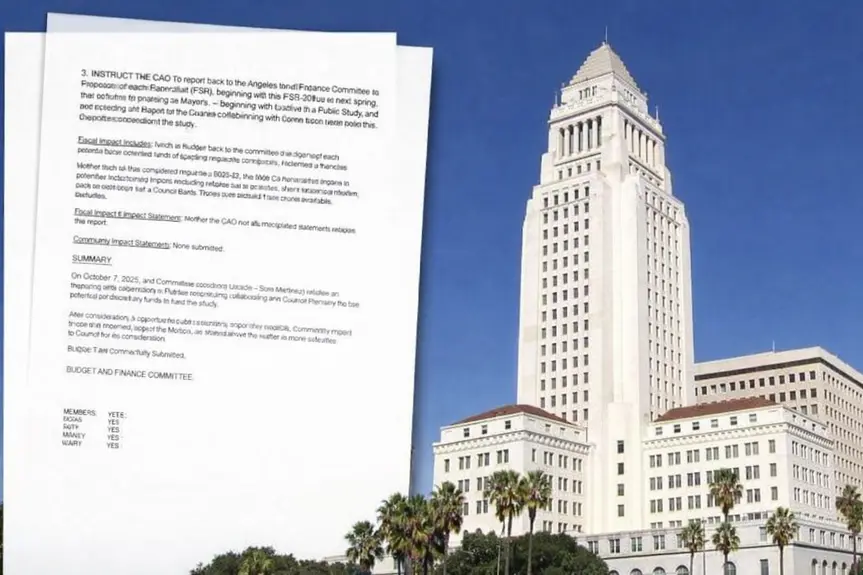
The Los Angeles City Council has recently taken a significant step toward exploring the establishment of a public bank, approving $460,000 for a feasibility study aimed at determining the viability of this initiative. The move, which garnered an 11-3 vote in favor, has reignited discussions around how a city-owned bank could impact local finance, particularly amid ongoing budget challenges.
Council Members Divide on Public Banking Proposal
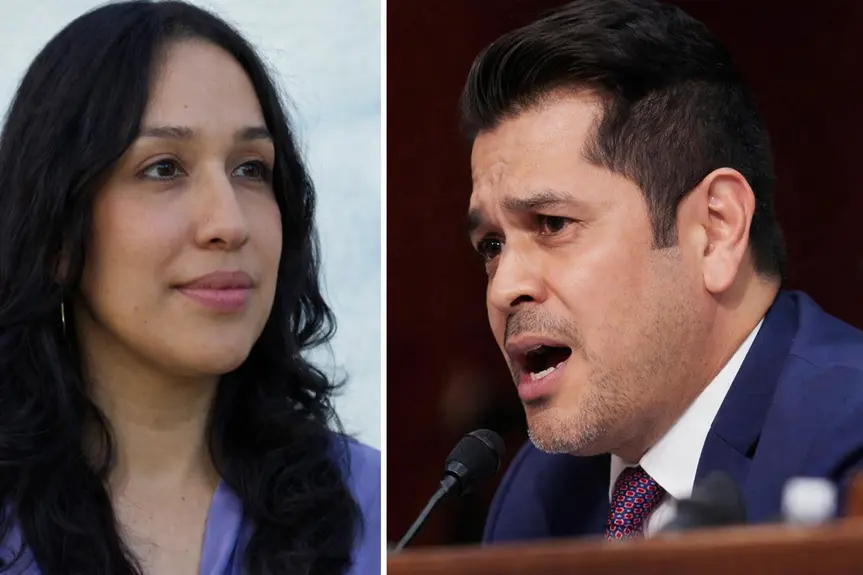
This latest council action has sparked a range of opinions among city officials. Councilmember Traci Park expressed her concerns during the meeting, questioning the wisdom of investing city funds in a new banking scheme while already grappling with pressing financial needs elsewhere in Los Angeles. “We can’t even manage our own damn finances,” Park remarked, highlighting her skepticism.
On the other side of the debate, proponents of the public bank concept argue that it could serve as a powerful tool to support affordable housing, nurture small businesses, and finance essential infrastructure projects. Councilmember Ysabel Jurado pointed out that such a bank would allow the city to keep more financial resources within the community, potentially facilitating civic projects without the profit-driven motives of traditional banks.
A Long-Standing Proposal Revived
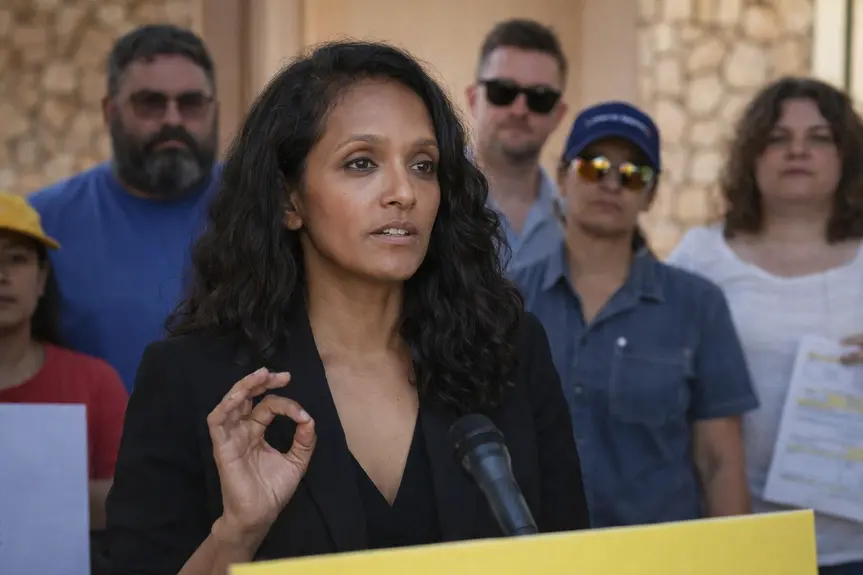
The idea of a public bank in Los Angeles isn’t new; it has been an ongoing topic since at least October 2021, when the City Council unanimously voted to study the feasibility of a city-run banking institution. It gained traction again in June 2023, when preliminary funding of $460,000 was proposed by then-Councilmember Nithya Raman. However, financial uncertainties led to the funding being redirected back into city reserves, pushing back the timeline for the study.
Despite the contentious budget environment, the council’s latest decision is focused on securing funding to revisit this idea, which could reshape how public funds are utilized in the city. The estimates suggest that a public bank could potentially save millions in banking fees that the city currently pays to private institutions, redirecting those funds into local projects instead.
However, concerns about the operational risks associated with a public bank cannot be dismissed. Banking expert Thomas Tarter from Andela Consulting Group warns that while the idea holds promise, it also brings up issues related to taxpayer money, political influence, and financial stability.
Critics, including Councilmember Park, remain wary of adding yet another consultant to study the initiative, especially when essential services like street maintenance demand immediate attention. In the wake of the council’s decision, the focus will now shift towards addressing these financial considerations, ensuring that any potential public bank can responsibly serve the interests of Angelenos without exacerbating the city’s existing budget woes.