Gas Prices Surge Amid Global Conflict
Recent events in the Middle East have dramatically impacted gasoline prices across Southern California. Following a joint military action by the U.S. and Israel against Iran, a steep increase in oil prices has accelerated the rise at the pump.
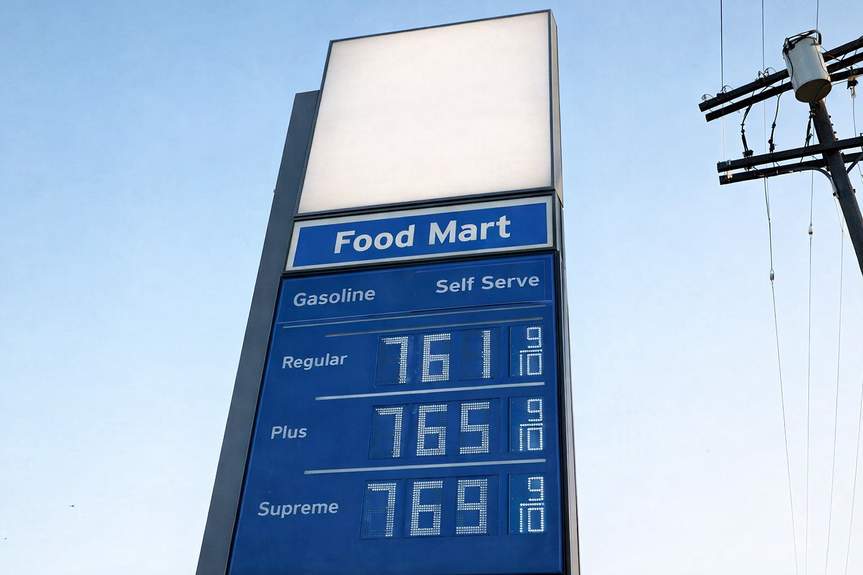
As of Saturday, the average price for a gallon of regular gas in Los Angeles County reached $5.165, reflecting a significant jump of 17.5 cents, closely mirroring the record spike of 2012. Meanwhile, Orange County also witnessed a similar surge, with prices rising by 17.7 cents, culminating in an average of $5.153.
Impact of Ongoing Conflicts on Oil Supply
The recent military conflict has severely disrupted global energy supplies. The Strait of Hormuz, a critical oil shipping route, is currently obstructed, leaving tankers that normally transport around 20 million barrels of oil each day stranded. Additionally, retaliatory strikes by Iran targeting vital facilities in Saudi Arabia and Qatar have removed 9 million barrels of oil per day from the market, affecting 20% of the world’s liquefied natural gas. This turmoil contributed to the rise of American crude oil prices, which closed at $90.90 on Friday, experiencing a staggering 36% increase within a week.
According to Kandace Redd, a representative from the Automobile Club of Southern California, the duration of these price increases remains uncertain and hinges on the stability of oil supplies. “The more news we receive, the more it appears that these high prices could persist for an extended period,” she noted.
As many brace for what seems to be an enduring crisis, consumer sentiment is cautious. A Vermont resident expressed skepticism about a swift resolution to the ongoing conflict, indicating a general belief that lasting peace in the region is unlikely.
Looking ahead, President Donald Trump has indicated that military operations might continue for four to five weeks, but has suggested that they could extend even longer. As the seasonal transition to summer-blend gasoline begins, consumers should prepare for further price fluctuations, emphasizing the ongoing volatility in the oil market.