In a critical development for airport travel, the Senate passed a funding package in the early hours of Friday morning aimed at supporting the Transportation Security Administration (TSA) along with other vital agencies within the Department of Homeland Security (DHS). However, immigration enforcement budgets remain contentious, and this remains a significant sticking point that has led to nationwide travel disruptions.
Major Funding Approved, Immigration Enforcement Excluded
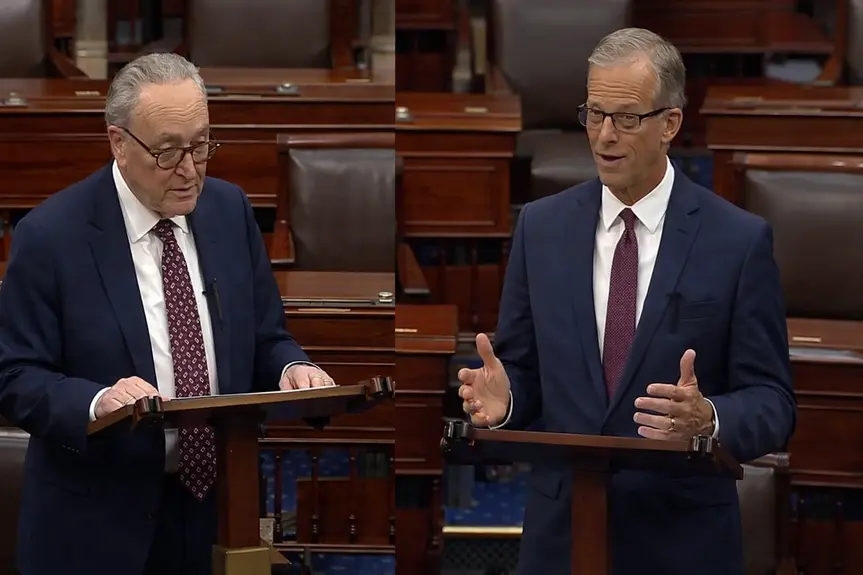
The unanimous Senate vote on the funding package comes after weeks of intense negotiations. Senate Majority Leader John Thune highlighted the urgency, stating that the bipartisan agreement will help open the government and address the looming paychecks crisis for TSA workers. President Trump has also indicated plans to ensure immediate compensation for TSA agents to alleviate the chaos experienced at airports across the nation.
Unfortunately, the funding agreement omits financial provisions for Immigration and Customs Enforcement (ICE) operations, a key part of the immigration debate. While Customs and Border Protection received some funding, there are no new restrictions placed on immigration enforcement. The lack of measures to limit ICE’s activities has drawn sharp criticism from Democratic leaders.
Senate Democratic Leader Chuck Schumer remarked that the resolution could have been achieved much earlier and assured that Democrats will push for stricter reforms related to immigration enforcement funding moving forward.
Next Steps and Ongoing Challenges
The bill is now headed to the House of Representatives, where its fate remains uncertain. With Speaker Mike Johnson navigating a slim majority, bipartisan support will likely be essential to pass the funding package. Many conservative Republicans have voiced dissatisfaction with the current provisions and are advocating for full funding for immigration operations to support Trump’s agenda.
Complications emerged during negotiations, with Democrats calling for measures to regulate the actions of federal agents engaged in immigration sweeps. Demands included clearer identification for agents and restrictions on actions taken around sensitive locations such as schools and churches. These demands arose following significant public outcry, including tragic incidents linked to immigration enforcement actions.
Trump has previously signaled his willingness to take unilateral action, even considering the controversial option of deploying the National Guard to airports. He also suggested potential national emergency measures to ensure TSA workers are compensated, although it appears the Senate’s action may render this unnecessary.
As the situation develops, the effects of the ongoing funding shutdown are becoming increasingly evident, with reports indicating severe delays at airports. Many TSA workers have begun to miss work due to the financial strain, resulting in airport lines swelling as callouts have risen dramatically. The union representing TSA workers expressed relief that payment for agents would soon be restored but urged Congress to finalize a comprehensive deal to support all DHS employees and maintain essential services.
Personal accounts from travelers underline the frustrations brought on by the shutdown. Melissa Gates, stuck in long lines at Houston’s George Bush Intercontinental Airport, lamented missing her flight and recognized that driving would have been a more straightforward option than enduring the airport chaos.