The tense dynamic in the Strait of Hormuz has taken a significant turn as Iran announced the closure of this vital waterway following an incident involving a warning shot fired at a vessel navigating an unauthorized course. This escalation raises alarms about the fragile ceasefire that had been in place with the United States.
U.S. Strikes Amid Rising Tensions
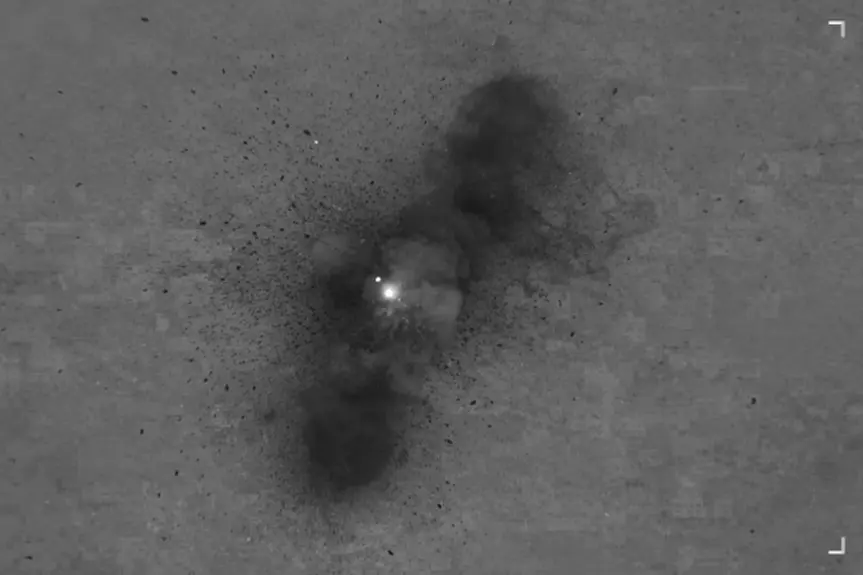
In a swift response, U.S. Central Command reported that American forces launched a new series of strikes targeting locations in Iran, particularly around Bandar Abbas and Sirik. This military action follows the damaging of a Cyprus-flagged container ship by Iranian forces, which resulted in severe engine room damage and left a crew member unaccounted for.
The U.S. military stated, “The United States is imposing a heavy cost by continuing to degrade Iran’s ability to attack civilian mariners and commercial ships freely transiting the strait.” Senior officials have emphasized that without a secure Strait of Hormuz, further negotiations to solidify a previous deal aimed at ending the ongoing conflict cannot progress.
Despite these developments, Iran’s Revolutionary Guards Corps reported multiple vessels ignoring their instructions to alter course and proceed through authorized channels. In a direct confrontation, one vessel was halted after being struck by a warning shot, leading Iran to declare that the strait would remain closed indefinitely.
Ongoing Diplomatic Efforts and International Implications
The recent military exchanges come on the heels of diplomatic discussions between Iranian and Omani officials regarding the strait. Iran’s new supreme leader, in his first statement since the funeral of his father, vowed to take revenge for fallen comrades in the ongoing conflict, further complicating the issue.
Oman announced its commitment to continued discussions with Iran, though tensions remain high. Iranian Foreign Minister Abbas Araghchi expressed outrage over U.S. actions, claiming Washington violated ceasefire agreements by halting waivers for Iranian oil exports. This move has exacerbated the already strained relations between the two nations.
As oil and energy supply chains face disruptions, the Strait of Hormuz—a conduit for a significant portion of the world’s traded oil—is once again a focal point of international tension. The U.S. urges ships to navigate through a southern route to avoid Iranian threats, yet the situation remains precarious.
As tensions ratchet up, Former President Trump claimed that he himself had been the target of an Iranian assassination plot, asserting that any such threats would be met with a fierce military response. With a history of robust rhetoric, he indicated that the military would be poised for retaliatory strikes should his life be threatened.
The U.S. now navigates a complex landscape of retaliations and strategizing against a backdrop of potential rogue factions within Iran that could derail peace efforts. With the situation evolving rapidly, all eyes are on the Strait of Hormuz as the potential for further conflict looms large.