In a significant escalation of trade tensions, Canada is poised to introduce retaliatory tariffs against the United States following a steep decline in diplomatic relations. The situation intensified when President Trump urged Canadian leaders to “fall in line” or face consequences that could be “far worse” than the tariffs currently in place.
As Canada prepares to respond, Prime Minister Mark Carney has been vocal about U.S. demands, stating they aim to undermine vital Canadian industries such as automotive, steel, and aluminum. In a powerful declaration, he insisted that Canada will no longer act as a subordinate to U.S. interests. Finance Minister François-Philippe Champagne, alongside other cabinet members, will outline strategies to support workers adversely affected by these tariffs.
Trade Relations and Economic Impact
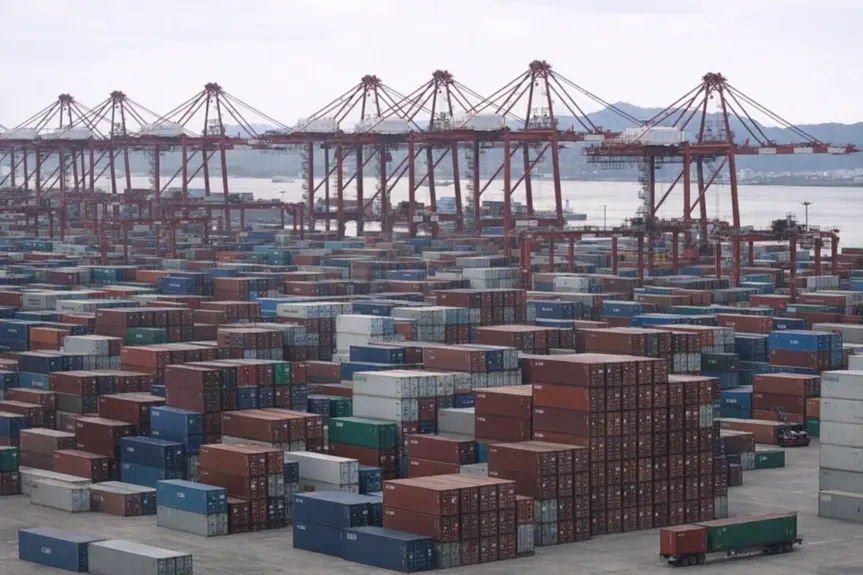
The trade connection between Canada and the U.S. is one of the largest in the world, with both nations relying on intricate supply chains across various sectors including automotive and agriculture. Prolonged conflict could result in severe repercussions for businesses and employees on both sides of the border. Carney expressed concern over the reliability of the U.S. as a partner, stating that Canada is seeking trustworthy alliances globally.
On the other side, President Trump continued his sharp rhetoric, suggesting new tariffs targeting Canadian automobiles and parts, citing unfair trade practices that he claims have benefited Canada at the expense of American workers. Ontario’s Premier, Doug Ford, passionately responded, emphasizing that Canadians are ready to stand firm in the face of economic adversity rather than capitulate to U.S. pressure.
Potential Retaliatory Measures
Ford has indicated that if the conflict escalates further, Canada may consider cutting off vital resources such as electricity and critical minerals to the U.S., which are essential for national security and manufacturing. He stressed that everything is on the table, including potential price hikes on electricity exports. Previous actions included hefty surcharges on electricity sent to neighboring states, which could be revisited depending on U.S. actions.
The automotive industry has become a central battlefield in these negotiations, with Ford asserting that Trump’s intentions are not focused solely on achieving a better trade agreement but rather on dismantling Canadian manufacturing capabilities. This is particularly concerning in Ontario, where thousands of jobs depend on a seamless integration of production between Canada and the U.S.
In conclusion, as tensions mount, both countries face critical decisions that could reshape their economic future and trade practices significantly. The next steps taken by Canada will reveal how resolved it is to protect its industries and workforce amidst escalating U.S. tariffs.