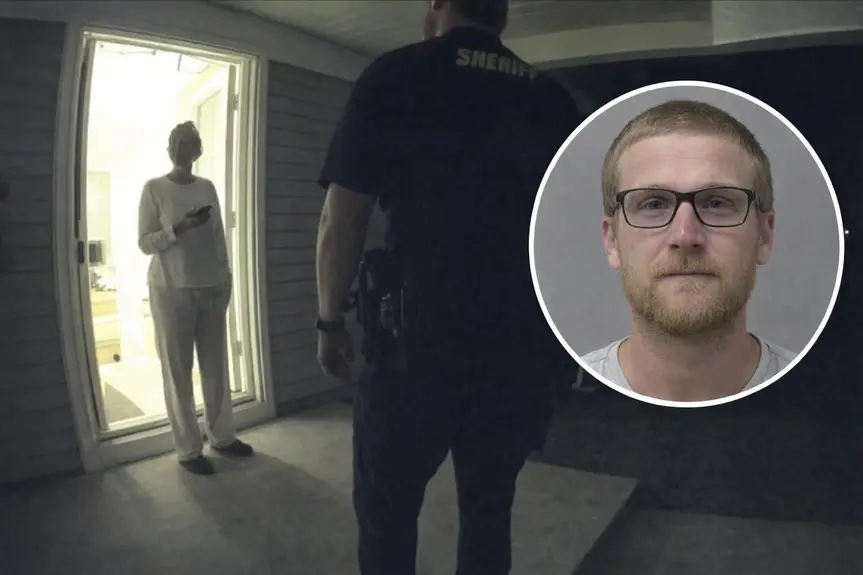
Sean Grayson, a former sheriff’s deputy whose actions led to the tragic death of Sonya Massey, has died while serving a 20-year prison sentence. His attorney, Daniel Fultz, confirmed Grayson’s death on Sunday but did not offer additional details.
Background on the Case
At just 32 years old, Grayson was convicted of second-degree murder after fatally shooting Massey, a 36-year-old Black woman, inside her home. The incident unfolded on July 6, 2024, when Massey called 911 to report a possible prowler lurking outside her Springfield-area residence. Body camera footage from the confrontation showed Massey in her kitchen, where she could be seen apologizing to Grayson just moments before he shot her.
During the encounter, Grayson instructed Massey to remove a pot of hot water from the stove, while she insisted she was not a threat. Video evidence captured her saying, “I rebuke you in the name of Jesus” as she held the pot. Moments later, Grayson threatened her, drew his handgun, and commanded her to drop the pot. In a desperate attempt to protect herself, Massey ducked behind a kitchen counter, at which point Grayson fired three shots.
Testimony from another deputy present at the scene revealed that he did not perceive Massey as a threat, only drawing his weapon in response to Grayson’s actions.
Legal Consequences and Reforms
Grayson faced serious legal repercussions which led to his firing and a charge of first-degree murder. However, jurors ultimately found him guilty of the lesser charge of second-degree murder, concluding that he acted out of fear that Massey might throw the hot water at him.
The aftermath of Massey’s death ignited national protests and spotlighted significant concerns regarding police conduct, particularly how Grayson, who had passed through several law enforcement agencies, was hired by the Sangamon County Sheriff’s Office. This public outcry prompted Illinois lawmakers to enact the Sonya Massey Act, which enhances scrutiny of an applicant’s prior employment history before hiring law enforcement personnel.
Additionally, a civil rights investigation was launched by the Justice Department following the incident. This investigation resulted in an agreement with Sangamon County that mandates reforms in police practices, including improved training for interactions with individuals experiencing behavioral health challenges, as well as the development of a mobile crisis response system.