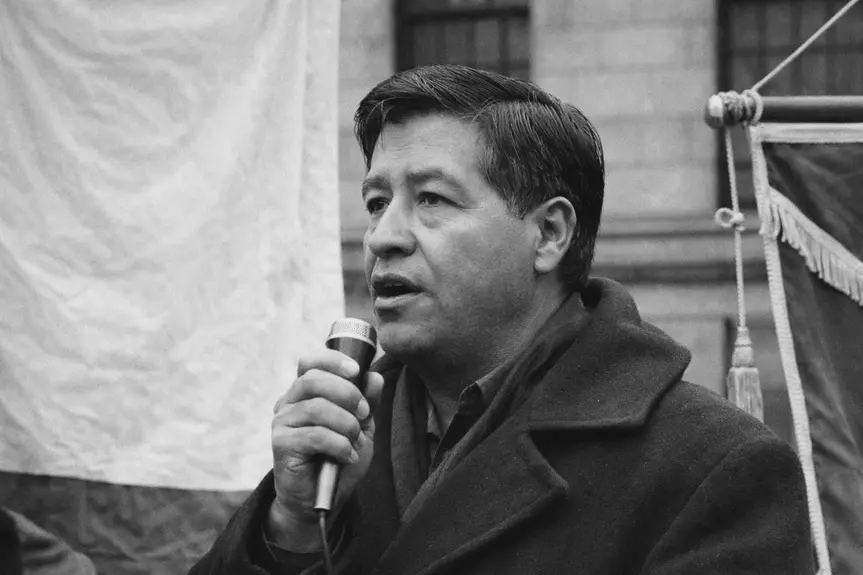
The unsettling news surrounding César Chávez, a prominent figure in the civil rights movement, has ignited a wave of controversy as allegations of sexual abuse resurface. Numerous women are stepping forward to share their traumatic experiences from childhood, claiming that Chávez assaulted them—claims that are now gaining legal traction thanks to a Los Angeles attorney’s perspective.
Legal Implications of the Allegations
Attorney Luis Carrillo, known for his advocacy on behalf of sexual assault victims, believes that the women presenting these allegations may have a strong case against the United Farmworkers, even decades later. Key to this potential legal battle are shocking revelations that some of these assaults allegedly occurred in Chávez’s office, a place where a secretary was reportedly present outside a locked door at the time.
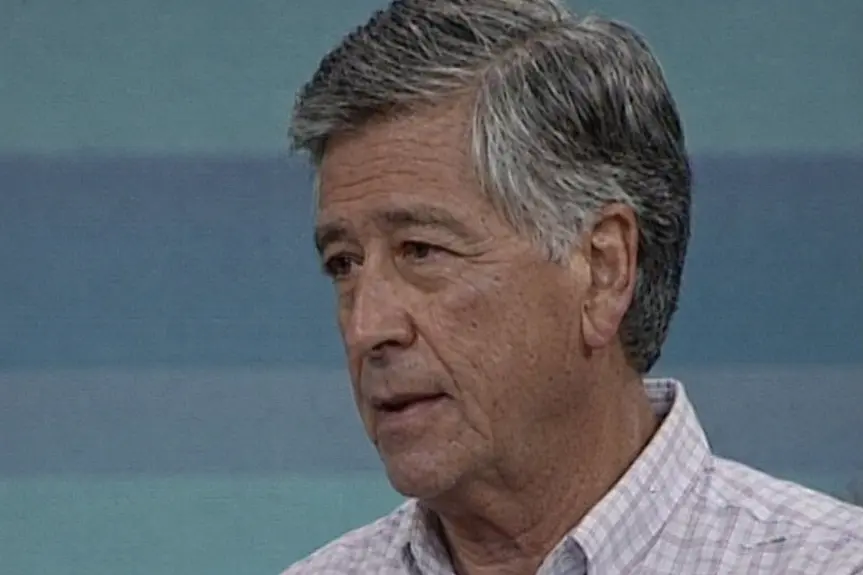
During a recent interview, Carrillo initially approached the topic with a legal lens, weighing the chances of a successful lawsuit. However, his demeanor shifted as he expressed the need for these women to be heard. Carrillo emphasized the importance of allowing them to share their stories, asserting that acknowledgment of their pain is crucial.
The Emotional Toll of Dismantling an Icon
What followed was a deeply emotional reflection from Carrillo on the legacy of César Chávez and the impact these revelations have on his own admiration for the leader. In a moving moment, he recalled traveling with his young son to meet Chávez years ago, cherishing that moment as a proud father. It was a testament to the hope and dignity that Chávez represented to countless individuals.
As the gravity of the allegations grew, Carrillo couldn’t hold back his tears, reminiscing about the grand funeral that took place after Chávez’s passing in 1993, attended by fifty thousand people, including politicians and celebrities who came to pay their respects. His sorrow reflected a collective loss felt by many as the image of Chávez shifts from a revered leader to a figure now shrouded in controversy.
Dolores Huerta, Chávez’s close collaborator, has also publicly stated that he had raped her, further deepening the crisis surrounding his legacy. For those who admired him, including Carrillo, the revelations signify a profound end to the idealized image of César Chávez, marking a pivotal shift in how he will be remembered in history.