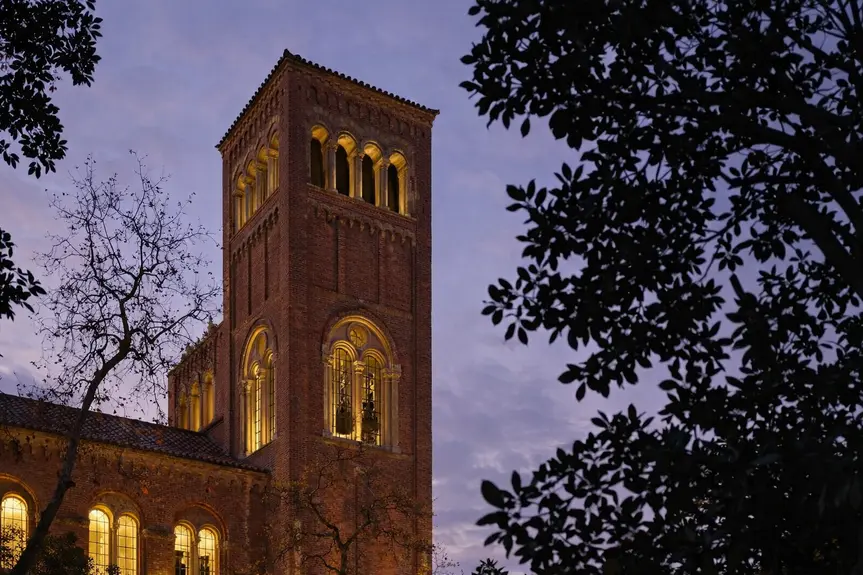
A sudden attempt to organize a gubernatorial forum unraveled quickly after the cancellation of a planned debate at the University of Southern California (USC). The decision to scrap the debate stemmed from mounting criticisms regarding the exclusion of candidates of color from the initial line-up, leading to disappointed candidates unable to participate in alternative arrangements.
The Fallout from USC’s Cancellation
USC pulled the plug on its debate despite being under pressure vocally expressed by candidates of color. Billionaire Tom Steyer stepped in to propose a backup forum at KNBC-TV’s studio after the cancellation became public. However, the candidates who had been excluded from the USC debate had already committed to other events, making their participation impossible.
“The entire situation felt chaotic,” said Kyle Layman, who provides strategic advice to former U.S. Health and Human Services Secretary Xavier Becerra. “One moment it’s a debate, then it’s not, then there’s a suggestion for a spontaneous gathering to discuss important issues.”
The Uninvited Voices
While USC stayed silent on the unfolding events, insiders revealed that organizing an ad-hoc debate in such a short timeframe was not feasible. A source involved in the discussions expressed frustration, mentioning, “We couldn’t get everyone to the studio on such short notice; it simply wasn’t fair to those candidates.”
Candidates excluded from the original USC debate, including Becerra, state Superintendent Tony Thurmond, former Los Angeles Mayor Antonio Villaraigosa, and former state Controller Betty Yee, voiced criticism over the exclusion. They expressed that not being included in a debate is particularly detrimental, considering it limits their opportunity to connect with voters.
Yee noted in a news conference, “It’s unacceptable that candidates of color are being sidelined in this critical discussion. The expectation is that all candidates must be considered going forward.”
Despite the outcry, the upcoming televised debate on April 1 at Fresno State University has excluded the very same candidates, creating a growing sense of frustration in the community. The exclusion continues with a subsequent debate scheduled for April 22 in San Francisco, where the same candidates of color will not be included.
San José Mayor Matt Mahan criticized the problematic framework determining participant eligibility, advocating unity among candidates to ensure fairness in future debates. “We need to remove gatekeepers and let voters engage with every candidate directly,” he stated. “Let’s put our ideas forward collectively and allow the electorate to make informed choices.”
The original USC debate was planned to feature a mix of candidates, including established names like Rep. Eric Swalwell, former Congress representative Katie Porter, along with leading Republicans, prompting charges of bias in selection criteria that favored certain individuals over others.
Steyer’s team recognized the urgent need for dialogue among candidates, stating, “We aimed to pivot quickly after the USC cancellation, trying to create an alternative opportunity for all candidates to be heard.” But ultimately, effort proved futile as logistical challenges hindered participation.
As the gubernatorial race continues, candidates like Thurmond, Yee, Villaraigosa, and Becerra remain focused on pushing for inclusive discussions that reflect the diverse viewpoints of California’s electorate, emphasizing the necessity of providing every candidate—regardless of background—a platform to articulate their vision for the state.