The Emotional Toll of a Wrongful Death Case
A volatile scene unfolded in the courtroom as the civil wrongful death trial entered its punitive phase, focusing on the tragic deaths of two boys, Mark and Jacob Iskander. Rebecca Grossman and her former partner, Scott Erickson, were already deemed liable for the boys’ untimely demise, and now the jury is tasked with deciding the financial consequences of their actions.
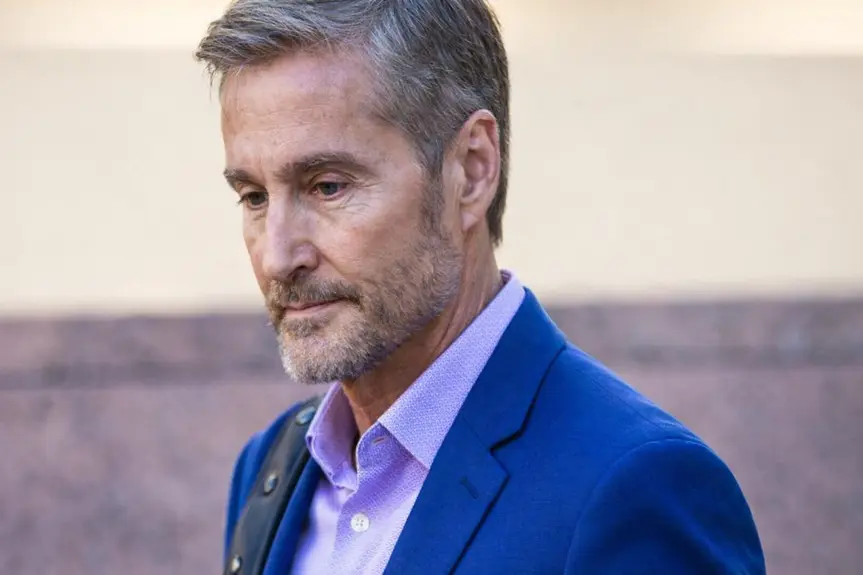
On the witness stand for a second consecutive day, Dr. Peter Grossman, a prominent plastic surgeon and the husband of Rebecca, faced intense questioning from attorney Brian Panish, representing the Iskander family. During the proceedings, it became painfully clear just how deep the wounds of this tragedy run.
Accountability and Confrontation in the Courtroom
Panish delved into the events from that fateful night in 2020 when eight-year-old Jacob and eleven-year-old Mark were struck while crossing the street in Westlake Village. He probed Dr. Grossman about his wife’s behavior, revealing her drinking and speeding prior to the accident. As the seriousness of the situation became evident, Peter Grossman offered a heartfelt apology to the boys’ family, acknowledging their unimaginable pain, yet his words were met with skepticism.
Panish countered with pointed questions about whether Dr. Grossman had previously expressed remorse before the trial awarded damages to the Iskanders. The attorney’s relentless questioning pushed Peter to admit that Rebecca’s actions contributed to the tragic event, forcing him to look the jury in the eye and navigate the responsibilities that come with such a catastrophic loss.
The trial saw testimony that Rebecca Grossman was speeding—driving her Mercedes SUV as fast as 73 mph while pursuing Erickson’s vehicle after a night out. Currently serving a 15-year to life sentence for second-degree murder, Grossman’s case serves as a stark reminder of the ramifications of irresponsible behavior behind the wheel.
As the contested trial continues, the jury is asked to weigh the potential punitive damages that not only aim to hold Grossman and Erickson accountable but also send a message about the consequences of reckless actions. This case, which has stirred emotions throughout the community, highlights not just the responsibility of drivers but the heartbreaking effects on families forever altered by tragedy.