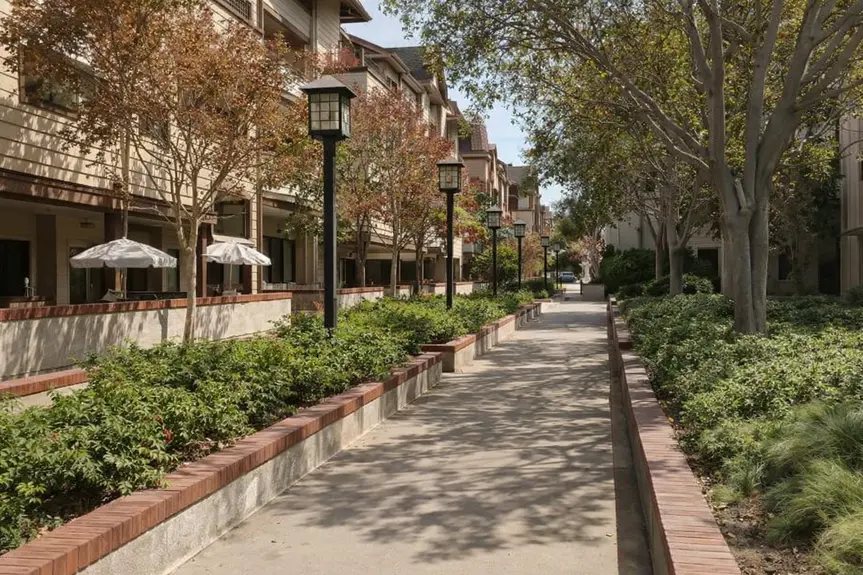
Residents of a Torrance condominium are grappling with an unexpectedly hefty bill totaling over $49,000 due to a special assessment levied by their homeowners’ association (HOA). This fee affects all members of the 499-unit community, igniting concerns and discussions among homeowners regarding the implications and management of such assessments.
One resident, Stephen Wang, expressed his astonishment at the severity of the charge, which is aimed at funding significant repair projects within the complex. These repairs include rebuilding the building’s podium, re-piping throughout the property, and upgrading the elevators. “The whole podium renovation alone is a staggering $13 million project, contributing to a total estimated cost of $19 million when combined with other necessary upgrades,” Wang noted.
Rising Special Assessments Across California
The situation in Torrance echoes the experiences of homeowners in other parts of California, notably in a San Clemente community where residents faced similar large assessments of $25,000 each. Following coverage of the San Clemente debacle, many viewers reached out to share their own frustrations, highlighting a growing trend of unexpected financial obligations by HOAs throughout the state.
According to attorney Michael Kushner, a managing partner at MBK Chapman and HOA specialist, there has been a noticeable uptick in special assessments. He attributes this increase to climbing insurance premiums and new regulatory demands, like California’s balcony inspection law. Kushner stresses, however, that in some instances, HOAs overextend their reach.
“With the power to collect funds and impose penalties, an imbalance exists in the homeowner-HOA relationship,” he explained. This dynamic can lead to disputes, particularly because there is no overarching regulatory body to oversee the operations of HOAs in California. While the Davis-Stirling Act sets forth guidelines and protections, Kushner argues that many provisions need clarification to prevent misuse by associations.
Protecting Yourself as an HOA Member
Homeowners faced with such substantial fees often find themselves in a challenging position. If members believe their HOA is acting outside of legal boundaries, legal action may be necessary. “In many cases, the only recourse for a homeowner aiming to uphold their rights is to sue their HOA,” Kushner advised.
Amid these challenges, homeowners in the Torrance complex have chosen to take a stand by initiating legal proceedings and pushing for the recall of the HOA board. For those navigating similar situations, Kushner recommends a proactive approach. Reading through annual financial disclosures from the HOA is crucial, particularly focusing on the percentage-funded figure—if it falls below 55%, it’s time to raise concerns.
Additionally, maintaining transparent communication in writing, actively participating in HOA meetings, and staying engaged with association matters can serve as vital strategies for homeowners to safeguard their financial interests.
Ultimately, involvement in HOA affairs emerges as a critical line of defense for residents subjected to hefty fees and unexpected assessments.