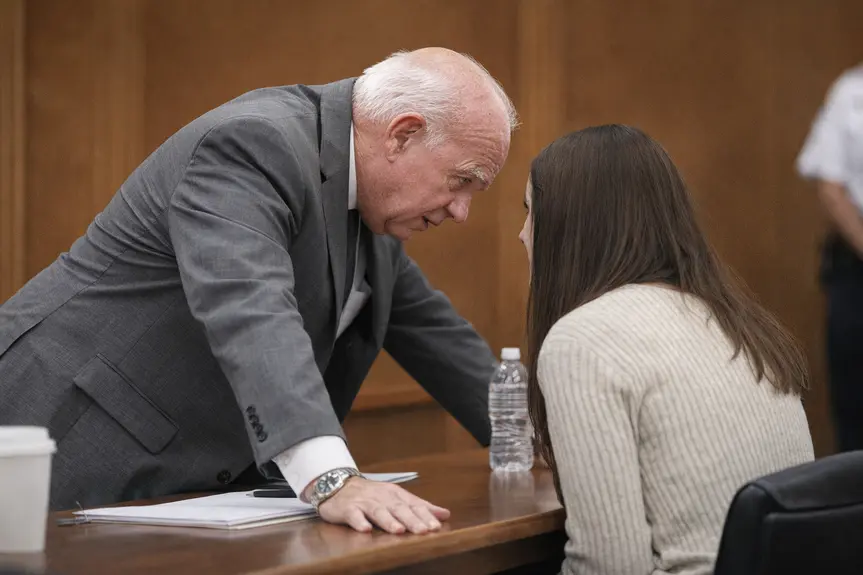
A jury in the Lindsay Clancy trial is facing a significant hurdle as deliberations resume for the seventh day. This situation arises from the revelation that one juror is unwilling to adhere to the court’s guidance regarding reasonable doubt. This development emerged during a private note presented to the judge, giving insight into the challenges facing the panel as they deliberate the criminal responsibility of Clancy for the tragic deaths of her three children.
The Ongoing Deliberations
Throughout the trial, the jury has communicated their inability to reach a unanimous verdict on two separate occasions to Judge William Sullivan. In an effort to understand the dynamics at play, Judge Sullivan individually questioned each juror before reiterating his instructions on reasonable doubt, asking them to continue their discussions.
Defense attorney Kevin Reddington argued for the dismissal of the juror in question, asserting that they were not following the judge’s directive. However, prosecutors countered this request, and the judge chose to retain the juror, maintaining that it was not his role to favor only one perspective in the deliberation process.
The Case and Its Implications
Lindsay Clancy, a 36-year-old former nurse, admits to strangling her children—Cora, Dawson, and Callan—before attempting to end her own life in 2023. Although her defense points to postpartum psychosis as a mitigating factor, the prosecution firmly argues that she acted with intent. They suggest she deliberately arranged for her husband to be away from the home at the time of the killings, questioning the validity of her subsequent suicide attempt.
The trial, which has attracted significant media attention and public interest, has sparked discussions surrounding maternal mental health and the societal implications of Clancy’s actions. In the event that the jury cannot reach a decision, there is the possibility of Judge Sullivan declaring a mistrial. This would leave prosecutors to make critical decisions about pursuing another trial, negotiating a plea, or potentially dropping charges altogether.
Should the jury conclude that Clancy is criminally responsible, she may face charges of murder or manslaughter. Conversely, an acquittal could still lead to confinement in a mental health facility if it’s determined she poses a risk to others. This case continues to resonate deeply within the community, highlighting the complexities of mental health issues in the wake of motherhood.
This story includes discussion of suicide. If you or someone you know needs help, please reach out to the National Suicide and Crisis Lifeline in the U.S. by calling or texting 988.