About 50 gallons of water accidentally flowed into a storm drain at GKN Aerospace in Garden Grove, prompting immediate testing to determine if any toxic substances were present, according to local health officials.
Background on the Chemical Incident
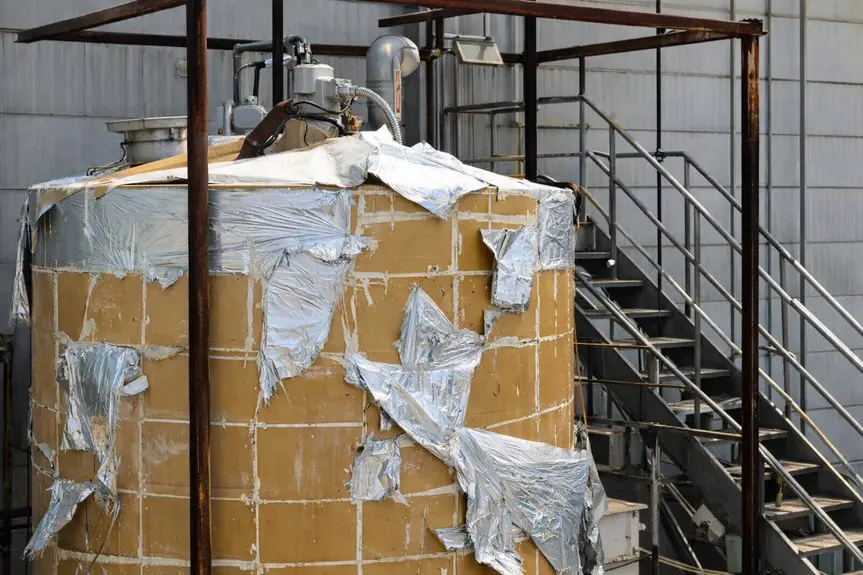
The focus of the investigation is on methyl methacrylate (MMA), a chemical that had been stored onsite in large quantities. This incident follows a crisis that occurred in late May, which involved a potential explosion risk and necessitated the evacuation of approximately 50,000 residents in the surrounding areas, including Garden Grove, Stanton, Anaheim, Buena Park, Cypress, and Westminster.
Fortunately, by May 26, officials confirmed that the tank had cracked, and the risk of explosion had diminished significantly.
Details of the Water Spill
The spill occurred during routine maintenance designed to empty an onsite stormwater and condensation tank located far from the initial crisis site. As stormwater was being transferred into a storage container, an overflow led to the release of around 50 gallons into the storm drain.
The Orange County Health Care Agency reported that notifications to state and local authorities were promptly made, and part of the spill was collected during the cleanup process. While officials believe that the possibility of finding any trace of MMA in the spilled water is low, questions remain about whether some of the water may have originated from the response efforts to the initial tank failure during Memorial Day weekend.
During those efforts, sprinklers were used to cool the heating tank, which had been crucial in preventing a potential explosion.
Furthermore, the transfer of neutralized MMA from GKN Aerospace’s tanks was postponed and will now be rescheduled. Authorities have cautioned that when this chemical is moved in sealed trucks, a fruity or plastic-like smell may be detected, even at concentrations considered safe for health.
Following the initial crisis on May 21, air monitoring sensors were deployed to detect MMA in the vicinity. Thankfully, these sensors have not indicated any presence of the chemical in the air, reassuring the public that there is no risk of exposure. The California Department of Public Health has stated that no long-term health effects are anticipated in the community from this incident.