High Stakes in California’s Gubernatorial Race
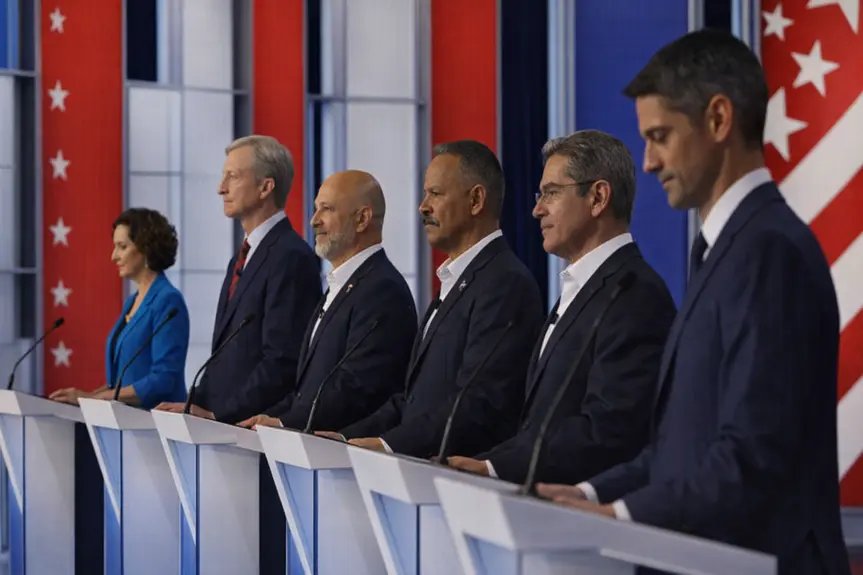
The contest for California’s governorship is heating up, with candidates debating vital issues that affect the state’s residents. During a lively televised debate at East Los Angeles College, candidates tackled pressing topics like the soaring cost of living, immigration policy, and their perspectives on national leadership.
This two-hour debate featured a diverse lineup, including prominent Republicans such as Steve Hilton, a former television host and podcaster, and Riverside County Sheriff Chad Bianco. On the Democratic side, notable figures included former U.S. Health and Human Services Secretary Xavier Becerra, San Jose Mayor Matt Mahan, former Congresswoman Katie Porter, billionaire Tom Steyer, and ex-Los Angeles Mayor Antonio Villaraigosa.
Economic Challenges and Policy Proposals
As the candidates exchanged views, economic challenges dominated the conversation. Becerra defended the Democrats’ record, emphasizing their commitment to providing equitable opportunities for all Californians. He shared his family’s story, stating, “Democrats are the ones who aspire to include everyone and not leave anyone behind.” Steyer highlighted the urgency of tackling California’s housing crisis, stating, “The biggest problem in California is that Californians can’t afford to live here anymore. It starts with housing but extends to healthcare and energy costs.” Mahan aimed to distinguish himself by criticizing the status quo, asserting, “We don’t need more of the same. I’m the only Democrat in this race willing to challenge my party for better results.” Hilton pointed fingers at Democratic leadership, blaming long-standing one-party rule for the state’s economic struggles. He argued that listening to constituents is essential, as many express frustration over rising living costs.
When topics turned to immigration, candidates displayed contrasting ideologies. Bianco voiced his opposition to sanctuary policies, believing they hinder local law enforcement’s ability to collaborate with federal agents. Villaraigosa countered his stance, insisting that California laws still allow for the transfer of violent offenders.
Porter asserted the need for strong leadership in the wake of federal policies that disproportionately impact Californians. She didn’t hold back her criticism of former President Trump, bluntly stating, “Donald Trump sucks. Anyone who won’t stand up to him has no business being governor.” Becerra highlighted his legal battles against the Trump administration, showcasing his experience in challenging federal overreach.
As the debate progressed, candidates grappled with healthcare reform. While Porter urged for a single-payer healthcare system, Becerra suggested a more gradual approach, citing financial feasibility. Villaraigosa raised questions about the practicality of such sweeping changes without federal support.
Throughout the debate, the enthusiasm of the candidates was palpable, as each sought to carve out a unique vision for California’s future. With various perspectives on the state’s most pressing issues, the race promises to be a fierce competition leading up to the primary. The candidates are acutely aware that the decisions they make and the policies they propose will resonate with voters who are deeply affected by the challenges facing California today.