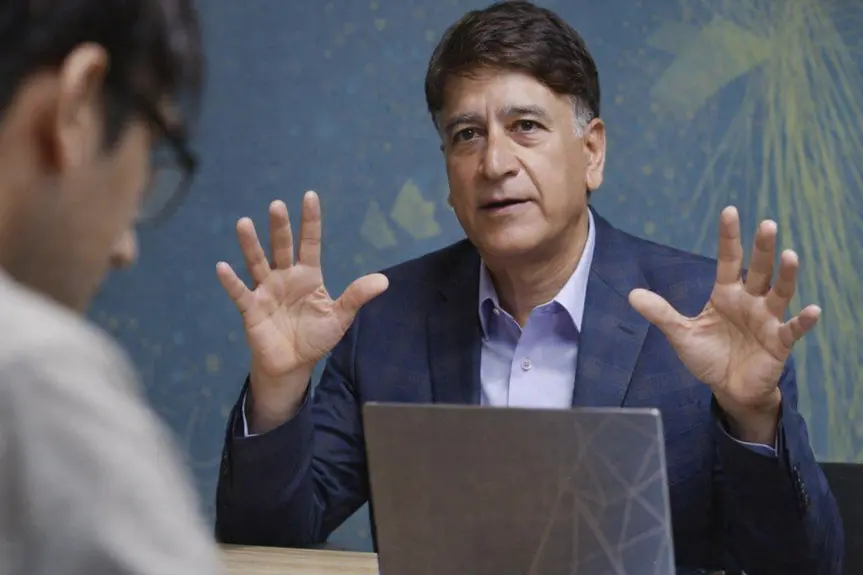
The Chief Executive Officer of the California High-Speed Rail Authority has resigned amidst a growing scrutiny over financial mismanagement. Ian Choudri’s departure marks the end of a challenging two years, characterized by ongoing budget controversies and questionable spending practices.
Details of the Resignation
Choudri’s resignation was confirmed during a meeting by the authority’s board of directors, following reports highlighting extensive misuse of funds. Appointed in August 2024 with a significant compensation package, Choudri faced mounting challenges, including operational delays and concerns about executive leadership.
Steve Kawa, the board chair, publicly expressed gratitude for Choudri’s contributions, wishing him well in his future endeavors. Notably, his exit coincided with the board’s review of his performance, which could have resulted in a bonus.
Audit Findings Prompt Concern
A recent audit from the California Office of the Inspector General unveiled troubling spending patterns, illustrating how taxpayer money was utilized for lavish expenses such as private flights, upscale dining, and recreational activities over the last two years. This audit reviewed approximately half of the $2 million spent on four consulting firms, revealing that a staggering 60% of the analyzed expenses were not approved or deemed acceptable.
Moreover, the Inspector General disclosed that the High-Speed Rail Authority could deplete its funding resources by December 2027 if new financing is not secured. This has raised alarms about a potential $9.5 billion budget shortfall over the next five years. Additionally, federal funding cuts, specifically a rescinded $4 billion grant by the previous administration, have intensified the fiscal strain.
The situation ahead remains unclear, as there has been no announcement regarding an interim or permanent successor for Choudri. The authority grapples with how to manage its financial challenges, especially given the urgent warnings from financial officials.
In light of the ongoing leadership challenges within the High-Speed Rail Authority, some state legislators have voiced their frustrations. Senator Tony Strickland criticized the constant changes in leadership, arguing for a more comprehensive evaluation of the project’s viability.
California’s high-speed rail initiative, which began with voter support in 2008, aimed to create a high-speed link between Los Angeles and San Francisco. However, the project’s aspirations have faced numerous setbacks resulting in dramatically revised cost estimates, now exceeding $100 billion. Currently, officials have chosen to focus on completing an initial segment through the Central Valley, with hopes of delivering passenger services by the early 2030s amidst continued financial and operational hurdles.
As officials consider strategies for addressing the projected $9.5 billion funding gap, potential solutions include state borrowing, revenue bonds, or private financing, which may incur additional costs unaccounted for in previous estimates.