As concerns mount over rising sea levels and coastal erosion, local and federal representatives are intensifying their calls for a definitive plan to remove spent nuclear fuel from the shoreline near the San Onofre Nuclear Generating Station.
Over a decade has passed since the station ceased operations, yet efforts to secure a permanent location for its spent nuclear fuel are gaining momentum. A new report from U.S. Representative Mike Levin’s office sheds light on progress regarding federal funding, demolition efforts, and potential sites for relocation.
A Push for Safe Nuclear Waste Removal
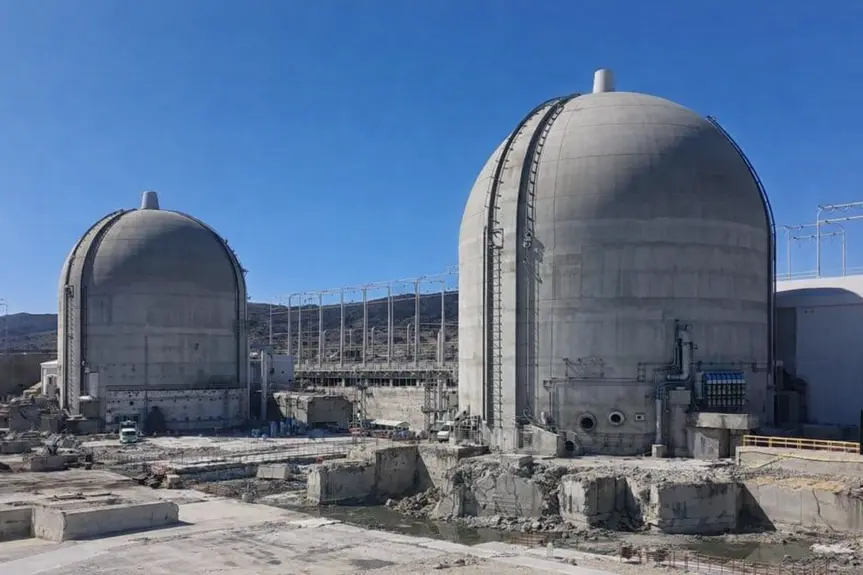
Officials stress the urgency of relocating nuclear waste away from Southern California’s coast, especially given the present and future risks posed by climate change. The long-standing containment domes, a familiar sight just south of San Clemente, may be dismantled completely by the end of 2027 as the plant approaches full decommissioning.
“In the coming months, crews will begin dismantling the containment domes behind us,” Rep. Levin stated during a recent press conference at the site. “There’s no immediate risk to the community, but this facility wasn’t intended to store spent nuclear fuel forever,” he added, highlighting the need for immediate action.
Navigating Environmental Challenges
The ongoing threat from nature adds to the urgency of removing nuclear waste. Recent severe weather, high tides, and aggressive coastal erosion have raised alarms about the vulnerability of the area. Steve Powell, President and CEO of Southern California Edison, remarked on the plant’s original design, stating that it was built with these environmental considerations in mind.
“We were aware of the potential hazards, including earthquakes and rising sea levels,” Powell noted, assuring the community that the spent fuel canisters are built to withstand extreme conditions. Nevertheless, there is a consensus among officials that the ultimate goal is a permanent solution.
Recent developments indicate progress, with the U.S. Department of Energy designating five states as potential locations for Nuclear Lifecycle Innovation Campuses, aimed at managing the nuclear fuel lifecycle. In a recent statement, Rep. Levin pointed out advancements in safe transport methods for spent nuclear fuel, including the introduction of the Atlas railcar system, specifically engineered for moving nuclear materials.
With significant decommissioning efforts projected to wrap up at San Onofre by the end of 2028, the focus remains on ensuring the safe and successful relocation of the spent nuclear fuel, facing both logistical and environmental challenges ahead.