Time to Set Your Clocks Back
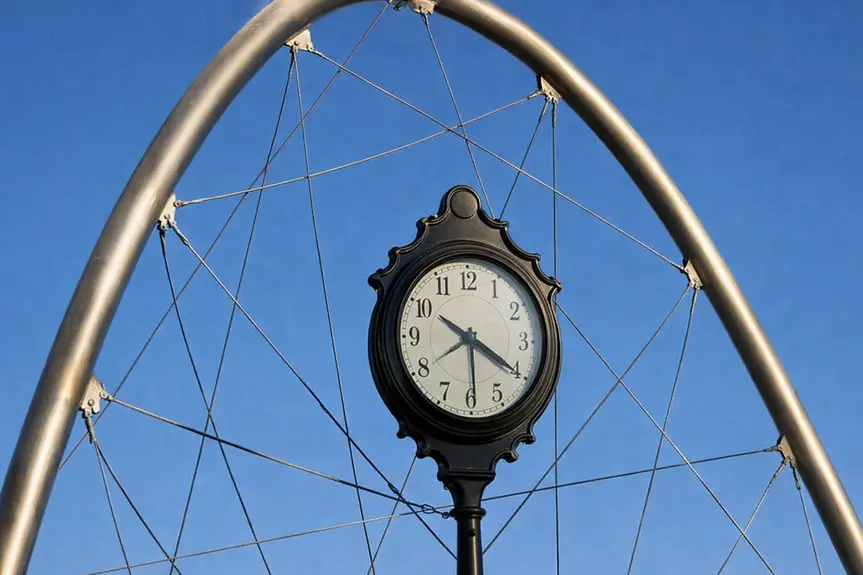
As we approach the end of daylight saving time, don’t forget to turn your clocks back before heading to bed tonight. This annual tradition means that at 2 a.m. on November 1, we gain an extra hour of sleep as the clock falls back one hour.
The Impact of Falling Back
With this change, mornings will be brighter, but evenings will see the sun set much earlier. While most smartphones will adjust automatically, those with analog clocks will need to make the change manually.
Although many welcome the opportunity for a little more rest, there are those who wish we could put an end to the clock-changing routine altogether. Daylight saving time made its debut in the U.S. with the Standard Time Act of 1918, and there have been numerous attempts over the years to eliminate it.
A fresh effort is underway in Congress with the Sunshine Protection Act, which aims to make daylight saving time a permanent fixture. However, its passage this year appears to be a long shot. If successful, this proposal would mean we set our clocks forward in March, but then keep them that way, resulting in longer evenings and shorter mornings during winter months. Advocates argue that this change could encourage more outdoor activities after work and school.
Prominent voices, including former President Trump, have supported the idea, urging others to push for it, while some lawmakers express concerns that it could lead to children commuting in the dark.
In contrast, some health experts recommend making standard time the permanent option, citing potential benefits for sleep patterns and the reduction of health risks. Studies suggest that keeping daylight saving time year-round could lead to a rise in vehicle accidents, particularly with pedestrians, due to darker mornings.
Although individual states can choose to opt out of daylight saving time with Congressional approval, most of the country observes this practice. Notably, states like Hawaii and most of Arizona do not change their clocks.
Californians had a chance to vote on this issue in 2018, with hopes of ending daylight saving time, but various legislative efforts since then have yet to succeed. Mark your calendars, as daylight saving time will return on March 14, 2027.