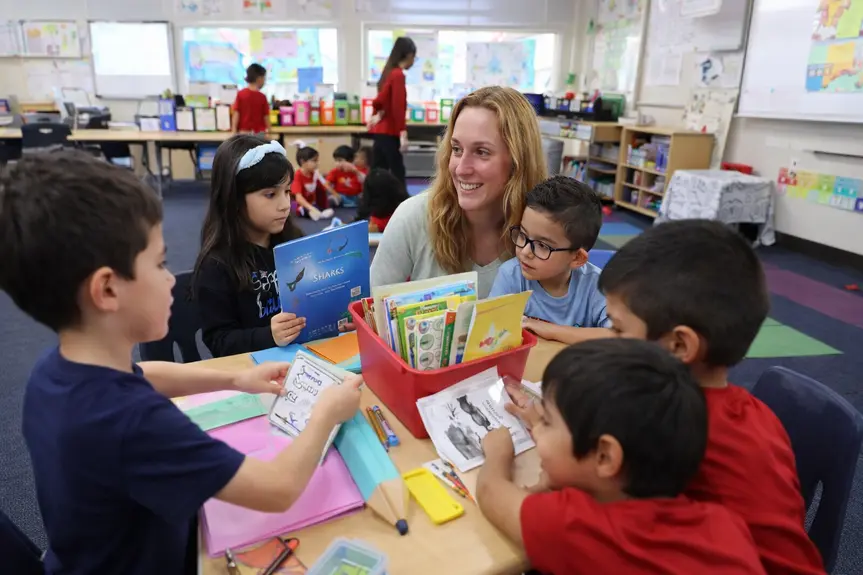
The practice known informally as “red-shirting” is a choice some parents make to hold their child back from entering kindergarten for an extra year. While this might sound beneficial, a recent study indicates that the long-term advantages are minimal, with any academic edge typically disappearing by the time students reach third grade.
Consistent Trends in Holding Children Back
Since the 1990s, the percentage of parents choosing to delay their child’s kindergarten start has remained steady, hovering between 4.5% and 7%. This statistic persists despite ongoing discussions among parents on social media about the merits of waiting an additional year before schooling begins.
Interestingly, the majority of children held back tend to have summer birthdays, falling between June and August, a time just before most states’ kindergarten cutoff dates. In California, children who turn 5 on or before September 1 can enter kindergarten, while those who turn 4 during that period are eligible for transitional kindergarten.
The idea behind holding a child back is to provide them additional time to mature socially and emotionally, ideally making them better prepared for the rigors of school. However, researchers caution that this strategy might not yield the expected benefits and can impose certain drawbacks as well.
Evaluating the Long-Term Impact
The recent study points out that children who start kindergarten later may initially enjoy some advantages due to their greater maturity. However, by third grade, their academic performance tends to align with their peers who began school on time.
Moreover, delaying entry can increase the risk of dropping out, as older students may feel the pull of adulthood sooner due to age-related legalities. This also means losing out on a year of potential job experience, which can be significant.
From a financial perspective, many families face challenges when deciding to delay kindergarten. Parents often have to consider costs associated with additional childcare or the possibility of sacrificing work hours to care for their child.
Interestingly, boys are statistically more likely than girls to start kindergarten late. The decision tends to be more prevalent among wealthier families—those from higher-income backgrounds are more equipped to handle the financial impacts of delaying school than low-income families, who often depend on school services.
Take Madison Cortez, for example. She reflects on her decision regarding her daughter, who is currently in fifth grade and started school during the pandemic. Initially, Madison did not consider delaying enrollment, even with her daughter’s August birthday. The fallout? A tough academic road ahead, marked by the struggle to keep up after falling behind during online learning.
Experts suggest that the decision to delay kindergarten should take into account individual needs. Children with developmental delays or behavioral issues may indeed benefit from a later start. This perspective is echoed by Stanford professor Thomas Dee, who encourages parents to utilize their understanding of their child’s specific circumstances.
Ultimately, it’s important for parents to consider the growth that can happen in the months leading up to school. Decisions often come in the winter or spring, with several months still to go until kindergarten begins. There’s ample time for further development during this period.
Navigating Transitional Kindergarten Challenges
In California, the introduction of transitional kindergarten (TK) is adding another layer of complexity to this decision. TK is designed for 4-year-olds and aims to make the school system more accessible to younger children. Each district has the discretion to determine eligibility for kindergarten or TK, giving parents certain choices.
For those enrolled in TK, a “Kindergarten Continuance” form is required, ensuring that children will transition to kindergarten the following year. Parents can often enroll their child in one year of TK, two years of kindergarten, or a combination of both.
Looking ahead, the expansion of TK within California is likely to prompt families to make these critical decisions earlier, especially given the high cost of childcare options available in many communities.
This article is part of an initiative focusing on early childhood education, aimed at enhancing the learning and development opportunities for children in California from birth through age five.