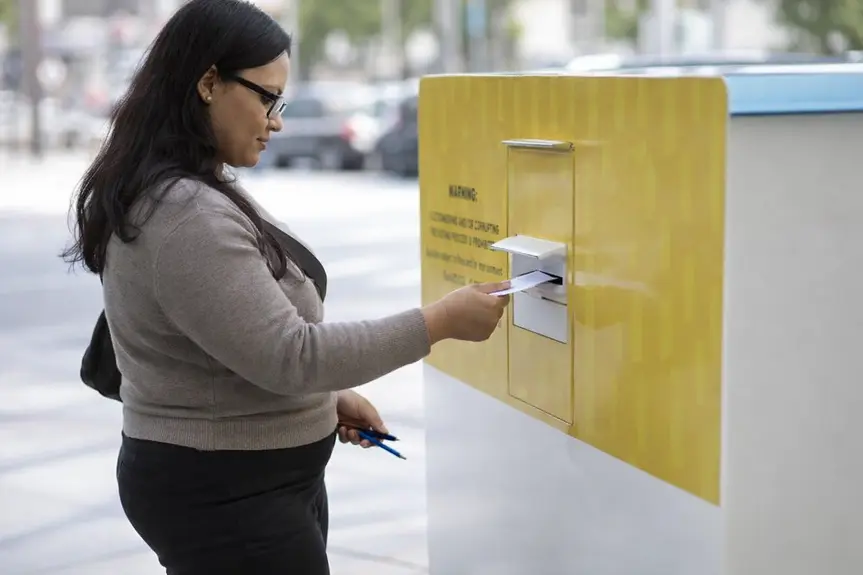
In recent legislative actions, California has taken significant steps to enhance the integrity of its electoral process. Lawmakers have approved a series of bills focused on ensuring the security of ballots and increasing transparency for paid political advertisements on social media platforms.
New Measures for Election Security
The new laws come as California prepares for the upcoming midterm elections, with a clear aim to prevent any interference that could disrupt the voting process. One key piece of legislation makes it a felony to tamper with mail ballots or seize election materials before votes have been certified. This move is particularly timely, given rising concerns about potential voter interference from outside influences.
Riverside County Sheriff Chad Bianco faced backlash earlier this year for his controversial order to confiscate over 650,000 ballots based on unverified fraud claims. This incident highlighted the urgent need for stringent measures to protect the sanctity of the ballot. In response, previous legislation has already banned local and federal law enforcement from seizing ballots without a warrant, reinforcing voter rights and election integrity.
Transparency in Political Advertising
In addition to securing ballots, lawmakers are also addressing the murky waters of social media influence in politics. Assemblymember Marc Berman has championed a bill that mandates full disclosure for paid posts and content created by social media influencers. This legislation aims to ensure that voters are not misled by sponsored content, especially during critical election periods.
Influencers have gained a substantial role in political campaigning, often being compensated to promote candidates like the Democratic billionaire Tom Steyer. However, many of these endorsements lack clear acknowledgment of their paid status, potentially skewing public perception. With this new law, campaigns will need to report their spending on influencer promotions, making the political landscape more transparent for voters.
Failure to comply with these disclosure requirements could lead to fines for both influencers and political campaigns, further emphasizing accountability in election-related communications.
As the legislative session comes to a close, these bills await the signature of Governor Gavin Newsom, who has until September 30 to decide their fate. The changes illustrate California’s commitment to safeguarding its democracy and ensuring clarity in the political discourse as residents head to the polls.