An Unusual Shift in Marine Life
The warm waters brought on by El Niño are stirring up exciting changes off the Southern California coast. Rising ocean temperatures are attracting tropical and subtropical marine species closer to shore, significantly altering the usual wildlife patterns. This year, with the influence of a strengthening El Niño, beachgoers are seeing an unprecedented number of stingrays, humpback whales, and even hammerhead sharks in local waters.
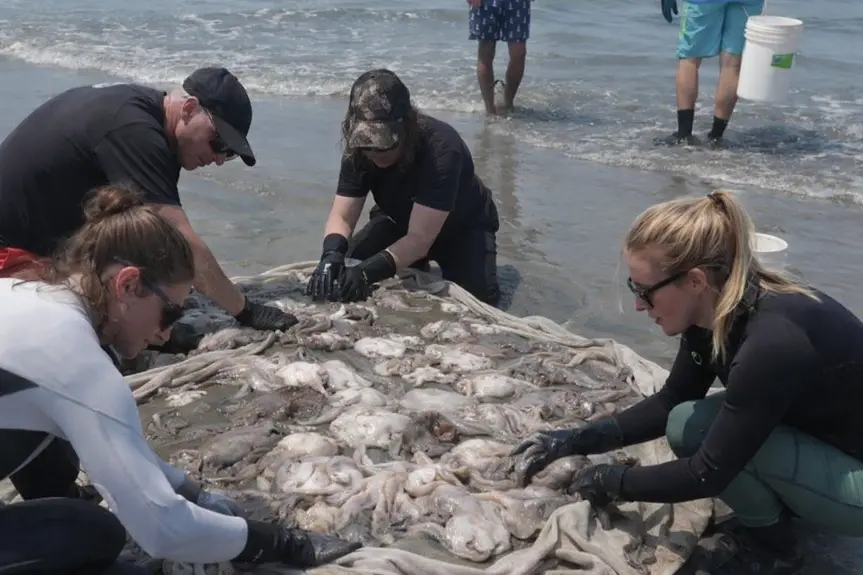
Recently, lifeguards from beaches stretching from Seal Beach to Huntington Beach have observed a notable uptick in stingray stings. The round stingrays have found their way into the shallows, lured by warmer waters that are rich in food. As a result, beach enthusiasts are being reminded to practice the “stingray shuffle” to avoid mishaps when entering the surf.
Breaching Wonders and Rare Sightings
This summer has not only brought an increase in stingrays but has also led to spectacular sightings of humpback whales venturing unusually close to the shore in areas like Newport Beach and Palos Verdes. Whale watchers have been thrilled with the displays of these majestic creatures leaping out of the water, bringing excitement to coastal experiences.
In addition, the warm waters have made it possible for sub-tropical species such as hammerhead sharks to swim up towards Malibu, a sight that remains rare in these parts. The influx of warm-water fish like anchovies and krill means increased feeding opportunities for these striking sharks, and sightings of game fish such as Dorados and Yellowtail have also increased.
However, the ecological change is part of a broader pattern reflecting our planet’s rising temperatures due to climate change. 2026 is already being marked as one of the hottest years on record, raising concerns among scientists about future weather patterns and marine ecosystem health.
Despite the excitement of these marine sightings, questions loom regarding the long-term implications of these shifts. While researchers are observing the immediate effects of this year’s warm waters, they are not yet certain how long these tropical species will remain in local waters or how this trend will affect the broader marine ecosystem as seasonal changes take place.
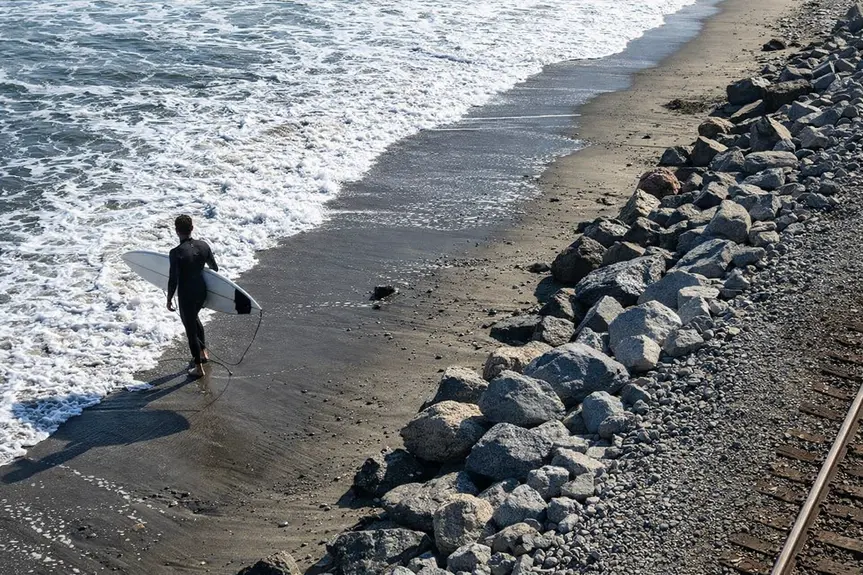
As we prepare for the winter months, meteorologists forewarn that the current El Niño may lead to a particularly wet winter for Southern California. History suggests that stronger El Niño events correlate with increased rainfall and storm risks in the region, paving the way for potential flooding and coastal erosion during the upcoming season.
Overall, the current environmental changes serve as a reminder that the beautiful coastline of Southern California will always be intertwined with the larger dynamics of our planet’s climate. As these changes unfold, both the public and experts alike must remain vigilant and adaptable to the shifting conditions brought by El Niño.