Calls for $2 Billion in Transit Funding
Amid rising concerns about transportation logistics for the upcoming 2028 Summer Olympics, five members of Congress from the Los Angeles area have urged the Trump administration to expedite $2 billion in federal funding. This financial support is deemed crucial for enabling smooth transportation for athletes, officials, and fans throughout Southern California during the Games.
The appeal was made during a recent informal hearing held in West Hollywood, where local transportation authorities highlighted the need for the funds to deploy an additional 1,700 buses and establish high-speed lanes on roads and freeways for the event.
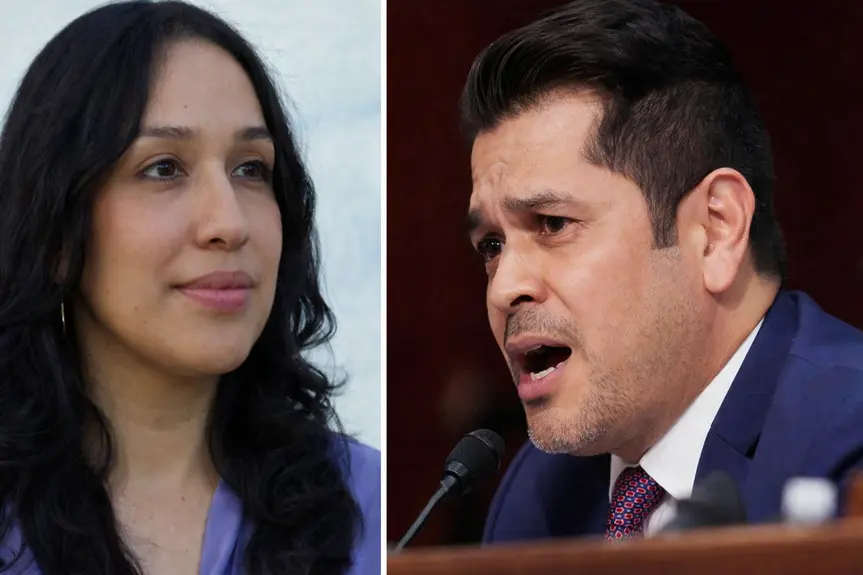
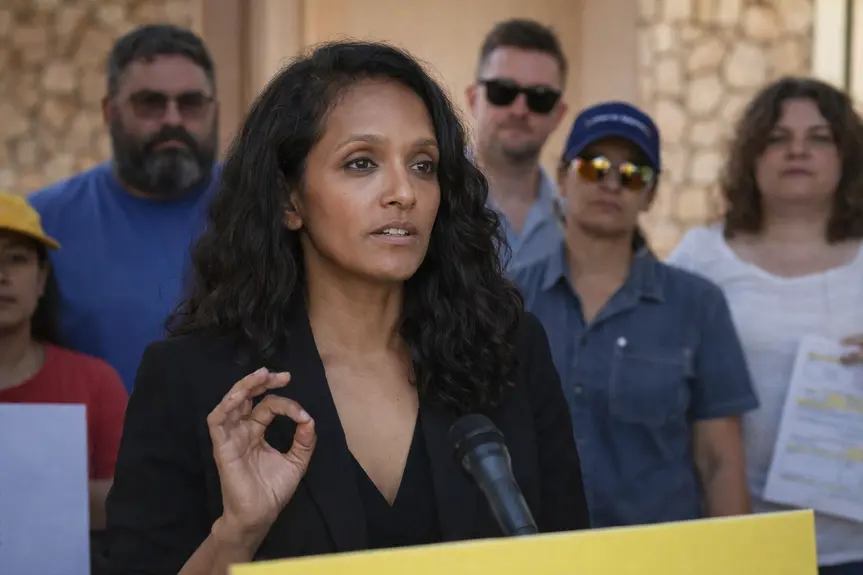
“We are firmly advocating for the federal government to provide the necessary resources to ensure a successful Olympic experience for Los Angeles,” stated Rep. Laura Friedman (D-Glendale). “To meet the high expectations of visitors, we require the full $2 billion, and at this point, the federal government has yet to release any funds.”
Transparency and Accountability Demanded
On the same day, L.A. City Controller Kenneth Mejia expressed concerns regarding LA28, the private nonprofit organization in charge of the Games, demanding more detailed financial reports. He noted that LA28 had only fulfilled two out of the nine required financial disclosures outlined in the contract with the city, which includes crucial information like revenue from ticket sales and sponsorships, bank statements, venue budgets, and contractor identities and costs.
Mejia criticized the city’s decision to act as a financial backstop in the event of losses during the Games, emphasizing that promises alone are insufficient for accountability. “We all want the 2028 Olympic Games to succeed,” said Mejia, “but that success cannot compromise transparency for Los Angeles taxpayers.”
During the West Hollywood meeting, the lawmakers’ bipartisan effort sought to pressure the federal government, particularly the Trump administration and the Republican-majority Congress, for additional financial assistance. Although previous legislation pledged $1 billion for security, none of those funds have yet reached the city.
“Without federal backing, the 2028 Games won’t be the shining event that Los Angeles, California, and America hope for,” Friedman remarked alongside her fellow Democratic representatives.
A White House official responded to criticisms, asserting that the Trump administration has been actively engaging with local officials and members of Congress about support issues, though discussions are still in preliminary stages.
Over at LA28, representatives have taken a more collaborative approach, with spokesperson Marisa McGrath Liston expressing confidence in their ongoing partnership with the federal government. “The administration has consistently shown support for LA28,” she stated, expressing eagerness to welcome athletes and guests to this iconic city.
Representative Sydney Kamlager-Dove (D-Los Angeles) emphasized the momentum gained from the recent World Cup soccer matches, showcasing Los Angeles’s capability to host world-class events successfully. She reiterated the necessity of prompt federal support: “Los Angeles hosts the Olympics, but it’s the entire nation that is really putting this event on. We shouldn’t have to wait excessively for the financial backing we deserve.”
Officials from L.A. Metro—the region’s main transportation authority—have previously expressed frustrations over the lack of necessary funding from both federal and state sources. The agency needs the funding urgently to accommodate the additional buses and modify roads to ensure punctual transportation access for attendees.
High-ranking officials at Metro noted that delays in federal approval could hinder preparations to adequately serve Los Angeles and neighboring regions in time. Kamlager-Dove warned that the upcoming fiscal year would be the crucial deadline to secure these funds adequately.
Jennifer Vides, LA Metro’s chief customer experience officer, pointed out the promising ridership numbers observed during the World Cup, reinforcing the city’s potential as more than just a car-dominant area. She noted a notable increase in ridership and high satisfaction ratings among users, indicative of public transit’s capacity to handle the demand during the Olympics.
However, several lawmakers raised concerns about the need for sufficient amenities like parking, shade, and water at public transportation locations to encourage fans to use buses over their cars for the event.
Rep. Ted Lieu (D-Torrance) shared a positive experience of traveling via bus to a World Cup match but expressed worries about accessibility to stadiums during the Olympics due to anticipated large security perimeters.
Maxine Waters (D-Los Angeles) raised concerns regarding the potential displacement of local businesses resulting from transit and parking plans related to the Games, highlighting the necessity for the economic benefits of the event to favor her constituents. Similarly, Rep. Judy Chu (D-Monterey Park) echoed these sentiments regarding local advantages arising from the Olympic Games.
To further underline their need for federal resources, the lawmakers displayed a comparison of the federal funding received by prior cities hosting the Olympics, noting how Atlanta received $1.82 billion for the 1996 Summer Games and Salt Lake City received $2.61 billion for the 2002 Winter Games.
Laura Rubio-Cornejo, general manager of the L.A. Department of Transportation, emphasized that insufficient federal funding could significantly affect local transportation services as the Olympics approach, ultimately straining resources needed to assist everyday Angelenos traveling to work and school.