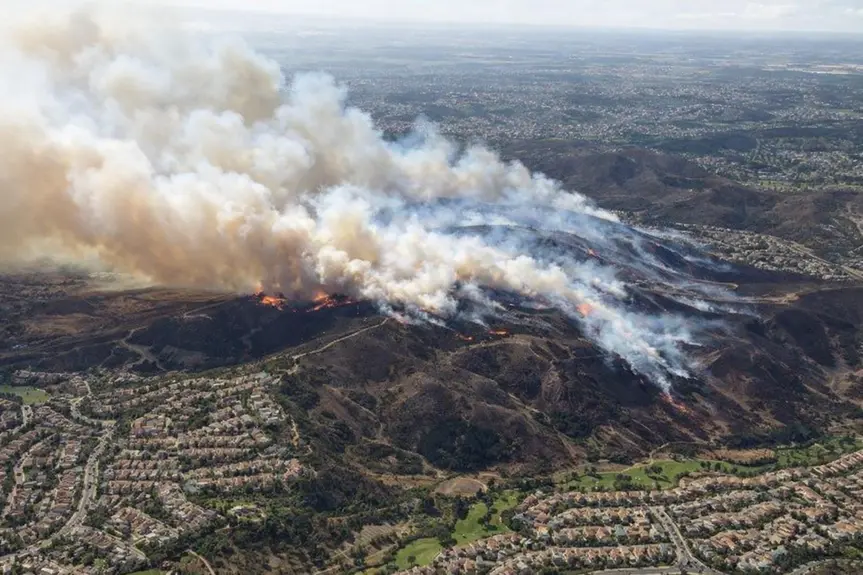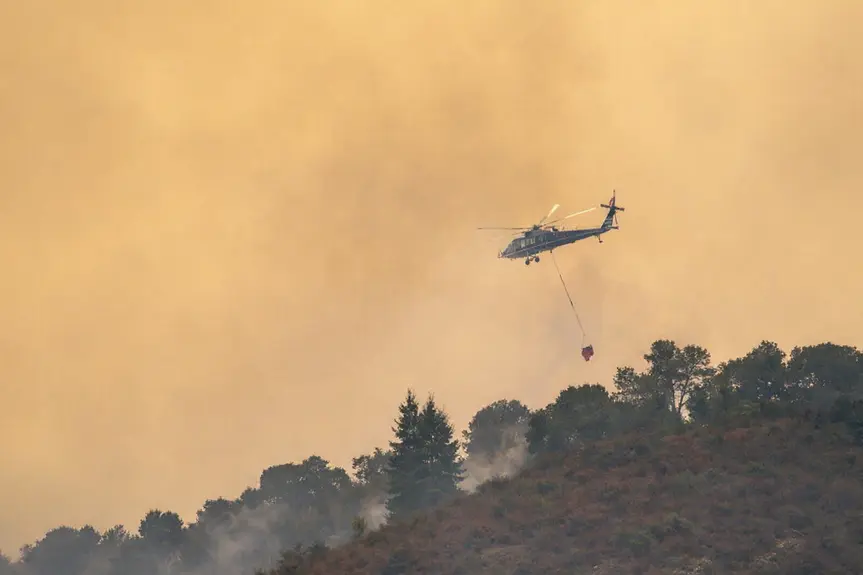
Nearly three weeks into the Timber fire’s intense outbreak in Big Sur, the wildfire has escalated, posing significant risks to both local residents and treasured businesses. With claims of nearly 23,000 acres burned as of Thursday evening, fire officials continue to grapple with the devastating spread.
The Situation on the Ground
On Thursday alone, the Timber fire expanded by an alarming 4,000 acres, according to Cal Fire Battalion Chief Josh Silveira. Just a few days prior, the fire was reported at 19,000 acres, highlighting the rapid growth of this inferno.
Adding to the complexity of the firefighting effort, another wildfire—the Plaskett fire—ignited Tuesday about 30 miles away in Monterey County, encompassing roughly 140 acres. Silveira noted the dual incidents presented both opportunities and challenges, stating, “It’s a blessing and a curse to have another incident that close. While we can redirect resources to tackle new threats aggressively, it stretches our capabilities.”
Containment Efforts and Challenges
As of the latest update, containment efforts have progressed to only 21%, a slight decline from 25% on Sunday. The swift increase in the Timber fire’s size has outpaced the firefighters’ abilities to establish control lines, exacerbated by challenging and steep terrains.
Wind conditions have added to the difficulty, with unpredictable gusts hampering progress. As firefighters anticipate red flag conditions on Friday, they remain vigilant. Fortunately, there have been no reported injuries to civilians or firefighters, nor any structures lost to the flames, though close calls have occurred.
“Homeowners have been proactive in clearing vegetation around their properties, which has proven beneficial,” Silveira remarked, instilling hope in the face of adversity. Roughly 600 residents are currently under evacuation orders due to the combined threat of the Timber and Plaskett fires.
The unique micro-climate of Big Sur complicates firefighting. With humidity dropping sharply at night, fires can quickly expand under such conditions. Lee Beyer, a spokesperson for the U.S. Forest Service, indicated that wildfires in this region often last from three to eight weeks due to the challenging landscape. “We may not see relief until we get a significant rain or snow event,” he stated.”