Supreme Court Decision on Birthright Citizenship
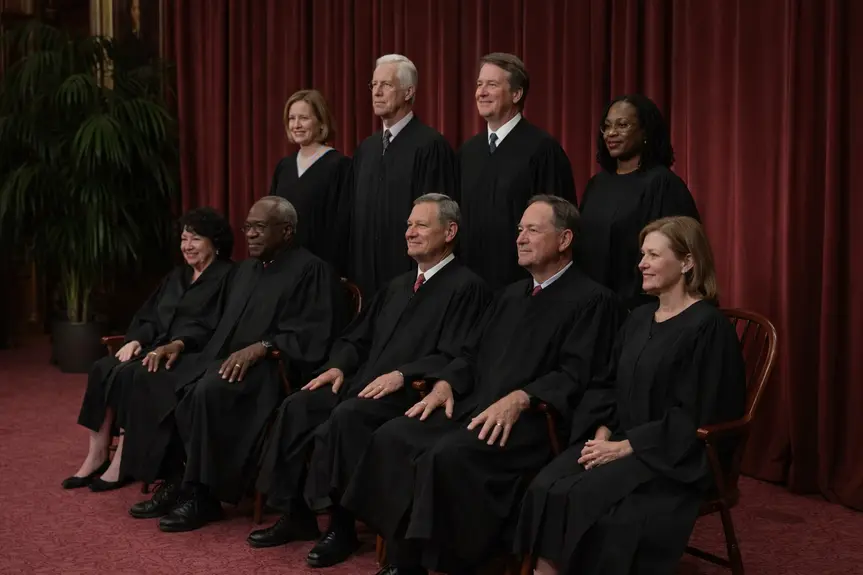
In a move that could reshape immigration policy, the U.S. Supreme Court is anticipated to announce a crucial decision regarding President Donald Trump’s executive order on birthright citizenship. Signed during the early days of Trump’s second term, this order intends to limit automatic U.S. citizenship for children born in the country, particularly targeting those whose parents are in the U.S. unlawfully or temporarily.
Under the proposed guidelines, birthright citizenship would primarily be reserved for children born to U.S. citizens or lawful permanent residents. This runs counter to the current interpretation of the 14th Amendment, which generally ensures that nearly all individuals born on U.S. soil receive automatic citizenship, with few exceptions.
Implications of the Order
Trump has contended that the existing policy has been misused and places an undue financial burden on taxpayers, as it grants public benefits to the children of undocumented immigrants. The anticipated ruling could have widespread consequences across the nation, particularly impacting millions who rely on birthright citizenship, especially in heavily populated areas.
Notably, House Minority Leader Hakeem Jeffries has expressed concerns about the potential repercussions of this case, emphasizing that a ruling in favor of the executive order could initiate significant changes to federal immigration policies. Should the Court support the executive order, new regulations would emerge, invalidating the traditional understanding that a birth certificate alone proves citizenship for affected children.
The Supreme Court’s decision is expected to be revealed shortly, with many awaiting its potential impact on families across the country.